


In the contemporary world of collectibles, a fascinating new trend has taken center stage. This is the rise of chic toys. Fusing art, high end design, and pop culture, these items have completely redefined what it means to play. They are not just for children. They are highly sought after by dedicated collectors, modern art enthusiasts, and lifestyle trendsetters.
Among these coveted collectibles, one particular name has been making massive waves recently. That name is Baby Three.
This adorable yet uniquely abstract toy represents the perfect intersection of modern art and blind box culture, capturing the imagination of fans worldwide. But what exactly makes this character so special? Let us explore the origins, design, cultural impact, and future of Baby Three, and see how it perfectly fits into the larger global trend of collectible art toys.
The Birth of Baby Three: The Concept and Inspiration
Sanli is a Chinese brand known for its highly innovative approach to designer toys. They created Baby Three. The name Baby Three immediately evokes an image of innocence, playfulness, and pure cuteness. This serves as the emotional core of the toy design.
However, there is a much deeper layer to its conceptualization. The true inspiration behind Baby Three comes from a masterful blend of abstract art and classic cartoonish aesthetics.
The design incorporates minimalist elements, featuring rounded shapes and slightly exaggerated facial expressions that give it a whimsical and mysterious feel. It reflects a broader shift in the toy industry where figures are no longer just meant for the toy box. They are crafted for intellectual appreciation and artistic display.
The Aesthetic Appeal of Baby Three
What truly sets Baby Three apart from other blind boxes and mystery toys is its striking aesthetic. The design perfectly balances adorable plush elements with the sharp and clean lines of vinyl art.
Baby Three figures often feature bright and vibrant colors that immediately draw the eye, yet their underlying forms remain wonderfully simple and geometric. The oversized eyes and round body create a friendly and approachable appearance, while the abstract features add a distinct edge that heavily appeals to adult collectors.

This unique combination of styles allows the toy to transcend age boundaries. Whether it is attached to a student backpack or displayed on an executive desk, Baby Three makes a bold statement about modern consumer culture.
Limited Editions and the Concept of Scarcity
A key element driving the massive Baby Three phenomenon is the extremely limited nature of the releases. Much like the streetwear and sneaker industries, Baby Three series are frequently released in small and strictly controlled batches. This creates an undeniable sense of rarity and exclusivity.
This scarcity factor plays a massive role in driving global demand. Limited editions fuel the innate desire of a collector to own a piece of something rare, turning the shopping experience into a thrilling hunt.
When an item is hard to find, it becomes a symbol of prestige. Fans eagerly anticipate new drops. They participate in online releases or line up at conventions just to secure their piece of the Baby Three universe before it completely sells out.
The Role of Baby Three in Pop Culture
Baby Three has quickly integrated itself into the broader landscape of modern pop culture. Its iconic and instantly recognizable design has been heavily embraced by social media influencers, fashion brands, and pop culture figures. This effectively turns the toy into a cultural status symbol.
Through limited edition drops and exciting crossover events, Baby Three has established itself as a key player in the art toy space. This connection to pop culture is not just about its physical presence. It is about the cultural values the toy represents. These include innovation, boundless creativity, and the seamless blending of fine art and consumer goods.
Collecting Baby Three and Other Chic Toys: The Psychology Behind It
Why are so many adults drawn to collecting toys like Baby Three? The psychology of collecting is actually incredibly multifaceted. It involves factors like nostalgia, the desire for uniqueness, and the deep human need to belong to a community.
For many people, owning these figures is a fun form of self expression. Furthermore, the designer toy community provides an amazing sense of belonging. Through online forums and social media, collectors can easily connect with others who share their specific passion.
Whether fans are gathering online to trade their duplicate boxes or sharing exciting unboxing videos with friends, Baby Three has created a very welcoming and interactive space. It proves that the joy of a surprise reveal is a universal language that brings like minded people together from all over the globe.
Baby Three and the Global Trend of Art Toys
It is important to recognize that Baby Three did not emerge in a vacuum. It is part of a much larger global trend. The rise of designer and art toys has become a major cultural and economic force over the last decade. Pioneering brands paved the way, and Baby Three is a natural and highly refined extension of this movement.

The appeal of art toys has grown well beyond traditional hobbyists. What sets these items apart is their direct connection to contemporary art.
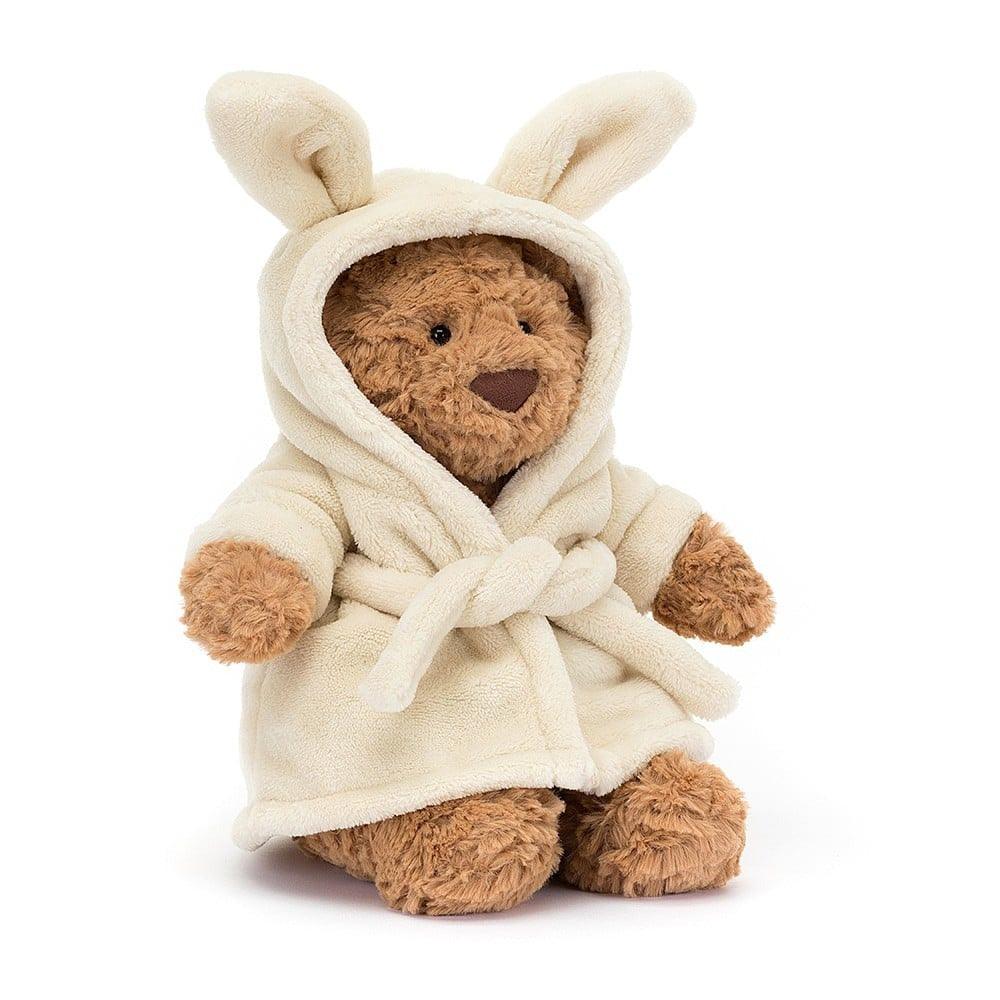
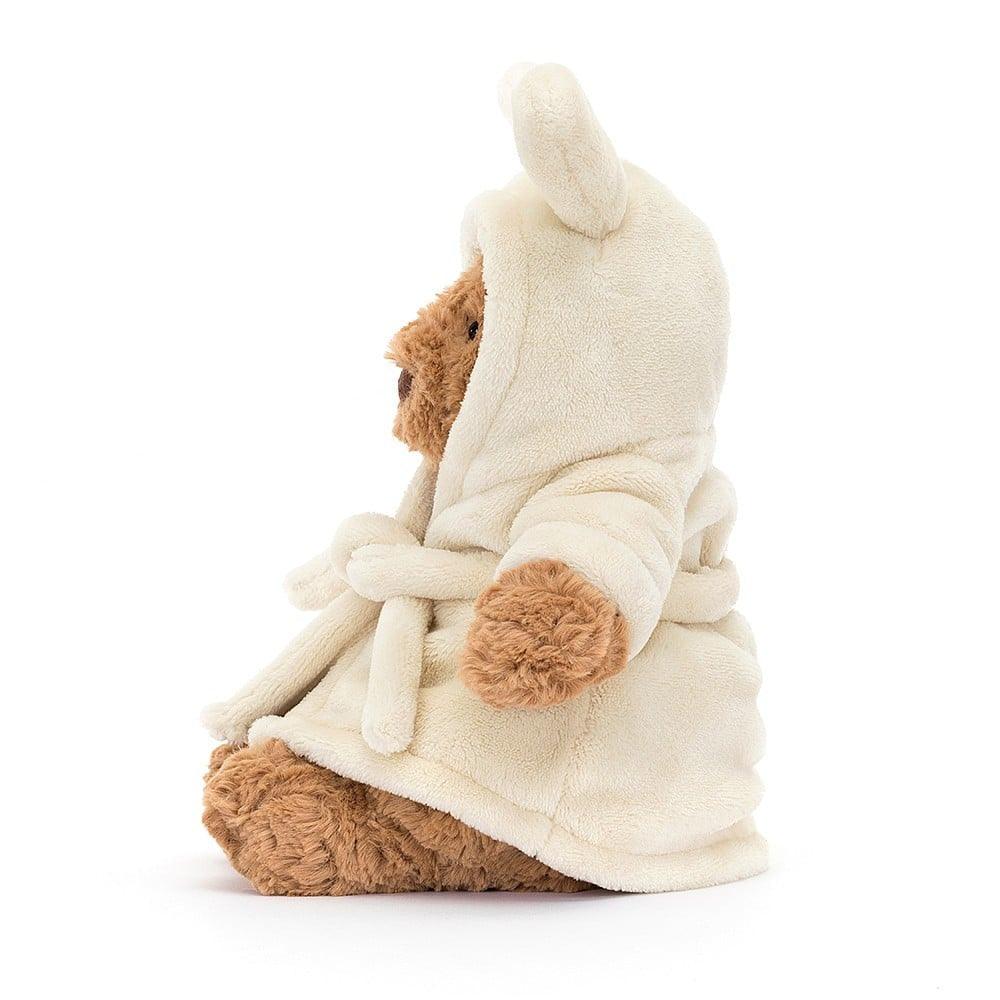
Collecting these toys has become an accessible way for everyday people to engage with the art world without having to pay the intimidating price tags of traditional gallery pieces. This applies whether you are collecting a vinyl Baby Three figure or a premium and quirky Jellycat plush.
The Future of Baby Three and the Evolution of Chic Toys
As the world of chic toys continues to evolve at a rapid pace, what does the future hold for Baby Three? The industry is becoming increasingly influenced by digital technologies.
With virtual and augmented reality playing a larger role in how we interact with media, it is highly possible that Baby Three will expand into digital forms. This would allow fans to collect and trade virtual versions of the toy alongside their physical counterparts.
Additionally, the growing global focus on sustainability will likely impact the future of collectibles. As consumers become more environmentally conscious, future editions of Baby Three may explore sustainable materials and production methods. This ensures the brand stays relevant and responsible for years to come.
Conclusion
Baby Three is far more than just a passing trend. It is a cultural phenomenon that perfectly captures the modern intersection of art, design, and pop culture. Its scarcity, beautifully unique aesthetic, and status as a coveted community item make it a leading force in the world of chic toys.

As the designer toy market continues to grow, Baby Three stands as a brilliant testament to the importance of creativity and art in our everyday lives. For those looking to dive into this fascinating world of design and discover their own piece of the art toy movement, exploring the latest Collectables is the perfect way to start your journey.