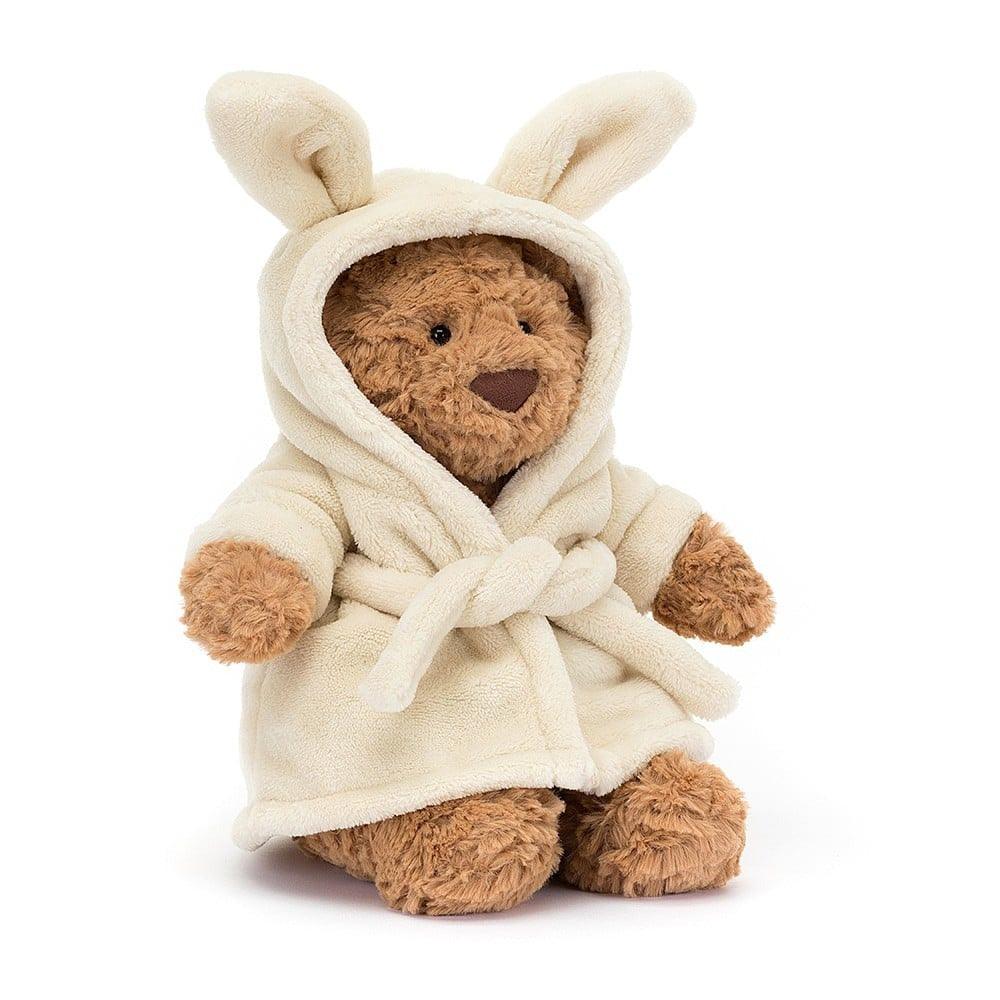
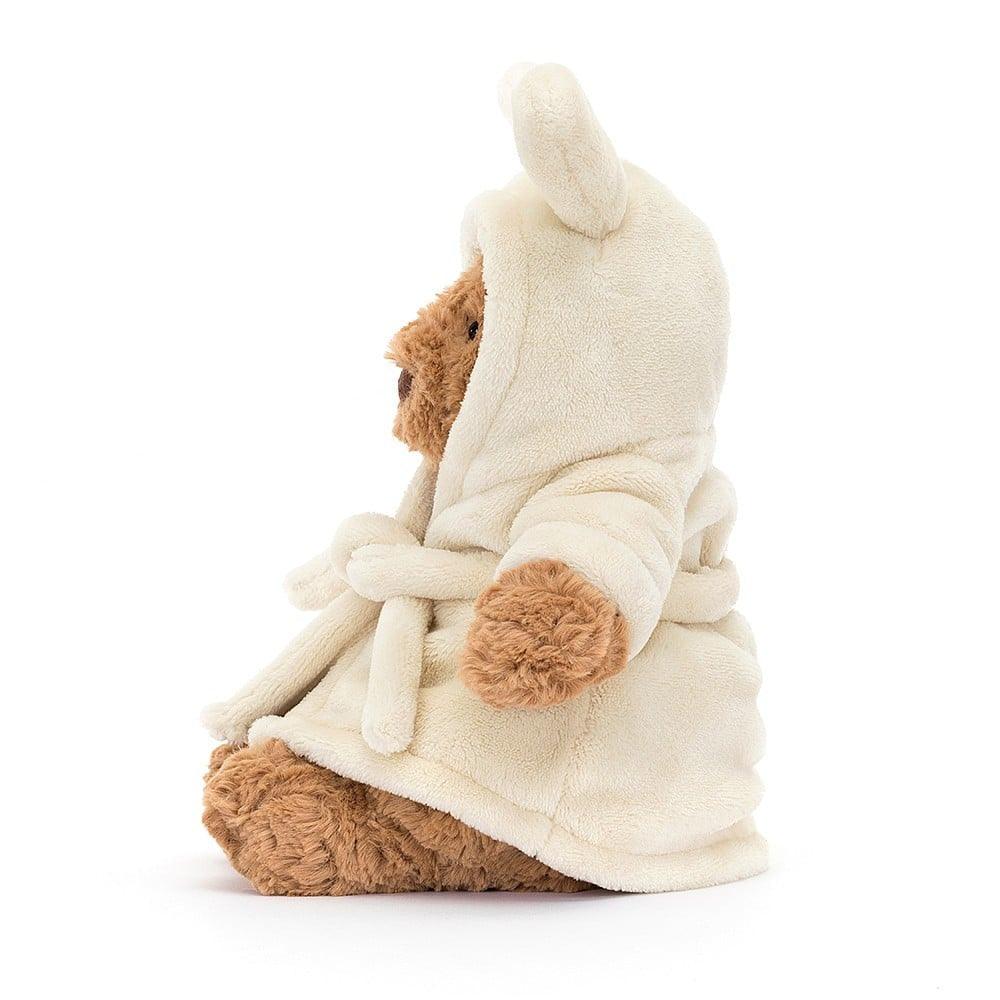


A well-loved plush toy shows its history. The slightly flattened ear, the faded patch where a small thumb rubbed every night, the way the stuffing settles into the shape of a particular hug. These are not flaws. They are proof of devotion.
But devotion alone does not keep a plush collection clean, safe, and beautiful. Whether you are caring for a single bedtime companion or curating a shelf of collectible soft toys, knowing how to wash, dry, store, and protect your plush makes the difference between a toy that lasts a season and one that lasts a lifetime.
This guide covers everything from everyday freshening up to deep cleaning, from display storage to long-term preservation. It is written for New Zealand homes, where damp winters and sunny summers each bring their own challenges.
Know Your Plush: Materials Matter
Before you do anything, take a moment to understand what your plush toy is made of. Not all soft toys are created equal, and treating a handmade Charlie Bear like a machine-washable Jellycat is a fast route to heartbreak.
Everyday Plush and Machine Washing
Mass-produced plush (Jellycat, Cuddle CO, Baby Three, LuLu the Piggy, 52Toys) typically uses polyester fibre filling and synthetic outer fabrics.
These are generally machine-washable on a gentle cycle, though you should always check the care label first. Jellycat, for instance, recommends a cool hand-wash for most of its range, but many owners report successful machine washing inside a pillowcase on a delicate setting.
Handmade Treasures That Need Gentle Care
Handmade or collectible plush (Charlie Bears, limited-edition pieces) often use natural materials: mohair, alpaca wool, or cotton with wood-wool stuffing. These require surface cleaning only. Water can mat the fibres, distort the shape, or cause the stuffing to clump. A soft, slightly damp cloth and a lot of patience are your tools here.
Travelling Companions on Keychains and Bags
Plush keychains and bag charms (LuLu the Piggy keychains, 52Toys Toothless keychains) face a unique challenge: they travel.
Clipped to backpacks and handbags, they collect dust, sunscreen, and the general grime of daily life. Their small size makes them easy to hand-wash in a sink with a drop of gentle detergent. Air-dry thoroughly before reattaching to avoid mould in the metal clip.

The Gentle Wash: Step by Step
If your plush toy is labelled as washable, here is the method that has the highest chance of success:
1. Place the toy inside a mesh laundry bag or a tied pillowcase. This protects the surface from friction.
2. Use cold water and the gentlest cycle your machine offers. Hot water can loosen glue on eyes and melt synthetic fibres.
3. Choose a mild, fragrance-free detergent. Harsh chemicals can strip colour and irritate sensitive skin when the toy returns to bed.
4. Skip the fabric softener. It coats the fibres and reduces that velvety texture that makes a Jellycat feel like a Jellycat.
5. Run an extra rinse cycle to remove all detergent residue.
If the care label says "surface wash only," fill a basin with cool water and a tiny amount of gentle detergent. Dip a clean cloth, wring it until it is barely damp, and work in small sections. Rinse by dabbing with a cloth dipped in clean water.
This method is slow but safe, and it works for everything from a Jellycat Amuseables Cherry to a 99 Nights in the Forest Deluxe Plush Deer.
Drying: The Crucial Step Most People Rush
A plush toy fresh from the wash needs time. Never put one in a tumble dryer unless the care label explicitly permits it. Heat can melt synthetic fur, shrink natural fibres, and turn a once-soft companion into a matted shadow of itself.
The best method is air-drying in a warm, well-ventilated spot. In summer, a shady outdoor spot in the Kiwi sun works beautifully; direct sunlight can fade colours, so indirect is better. In winter, position the toy near (not on) a heat pump or dehumidifier, turning it every few hours so all sides dry evenly.
After the toy is fully dry (check the stuffing, not just the surface), use a soft-bristled brush or a clean toothbrush to gently fluff the fur back to life. Work in small circles, going against the natural nap of the fabric. This step is what restores that just-bought softness.
Storage for Display Collectors
If your plush toys live on a shelf rather than a bed, dust is the enemy. Over months, airborne dust settles into fibres and dulls the colours. A glass-fronted cabinet is the ideal solution, popular among serious Jellycat and Charlie Bears collectors. It keeps dust out while letting you enjoy the display.
For open shelving, a gentle weekly brush with a soft, dry cloth keeps dust from building up. A lint roller (the sticky-paper kind, not the reusable velvety kind) can pick up surface dust without pulling at fibres. Once a month, take each toy outside on a dry day and give it a few firm, open-handed pats. You will see the dust lift away.
Avoid storing plush toys in plastic bags for long periods. Plastic traps moisture, and in New Zealand's humid climate, that moisture invites mould. If you must store toys away, use breathable cotton bags or acid-free tissue paper inside a cardboard box. Add a silica gel sachet to absorb humidity, replacing it every few months.
The Teddy Bear Clinic: Repairs and Restoration
A torn seam, a loose eye, a stuffing that has gone flat. These are not reasons to retire a plush toy. They are reasons to learn basic repair.
Stitching Up a Torn Seam
For a split seam, a simple ladder stitch (sometimes called an invisible stitch) closes the gap without leaving a visible scar. Match the thread colour to the fabric, work from the inside where possible, and pull gently: too much tension puckers the fabric.
Restuffing a Flat Companion
A toy that has lost its shape can often be revived with fresh stuffing. Polyester fibrefill is available at fabric stores across New Zealand, from Spotlight to independent craft shops. Open a small seam at the back, add small amounts of fill at a time, and work it into corners with the handle of a wooden spoon. Close with the ladder stitch described above.
When to Call a Professional
For a beloved toy that needs more than you can manage, there are professional restoration services. New Zealand has a small but dedicated community of "toy doctors" who specialise in everything from restuffing to full fur replacement. A search for "toy repair New Zealand" will connect you with someone who understands the emotional weight of the work.
Freshness Between Washes
A plush toy that spends every night in a child's bed will need freshening between full washes. A light spritz of a fabric-safe odour eliminator, followed by a gentle brushing, works wonders. Avoid perfumed sprays and fragranced oils; they can irritate skin and, over time, leave a residue that attracts more dust.
For a natural alternative, place the toy in a sealed bag with a tablespoon of baking soda. Shake gently, leave overnight, and brush the powder off in the morning. The baking soda absorbs odours without leaving any scent of its own. This method works especially well for the Jellycat Amuseables range, whose quirky shapes can make machine washing awkward.

A Final Thought
A cared-for plush toy is a legacy object. It moves from a baby's cot to a toddler's bed to a teenager's shelf and, one day, into a box labelled "keep." The care you put in today, the cleaning and the brushing and the careful storage, is what makes that journey possible.
Browse Ocare's full range of plush toys, from Jellycat to Baby Three, and give your next soft companion the long, loved life it deserves.