





Daily Wellness & Energy
Daily wellness is built on consistent nutritional foundations rather than occasional interventions. This collection covers supplements designed to support everyday health and sustained energy, including B vitamin complexes, magnesium, CoQ10, iron, adaptogenic herbs and broad-spectrum multivitamins. Whether you are looking to fill nutritional gaps, maintain energy through a demanding schedule, or support overall vitality as you age, you will find practical options here for both men and women.
Sort by:





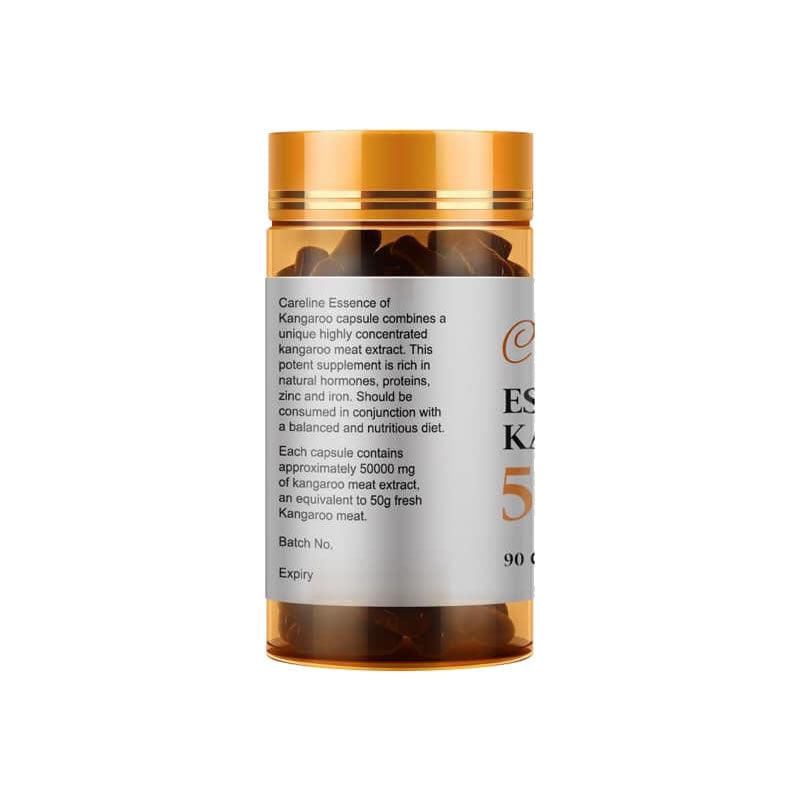
Building a Daily Supplement Routine That Works
The most effective supplement routine is one that addresses your actual nutritional gaps rather than following a generic protocol. New Zealand soils are low in iodine, selenium and vitamin D, making these three nutrients particularly relevant for most New Zealanders. B vitamins are commonly depleted by stress, alcohol, certain medications (including the oral contraceptive pill and metformin) and poor diet. Magnesium is involved in over 300 enzymatic reactions and is widely under-consumed. Starting with a quality multivitamin and addressing specific deficiencies identified through blood testing is the most evidence-based approach to daily supplementation.
Energy: What Actually Helps
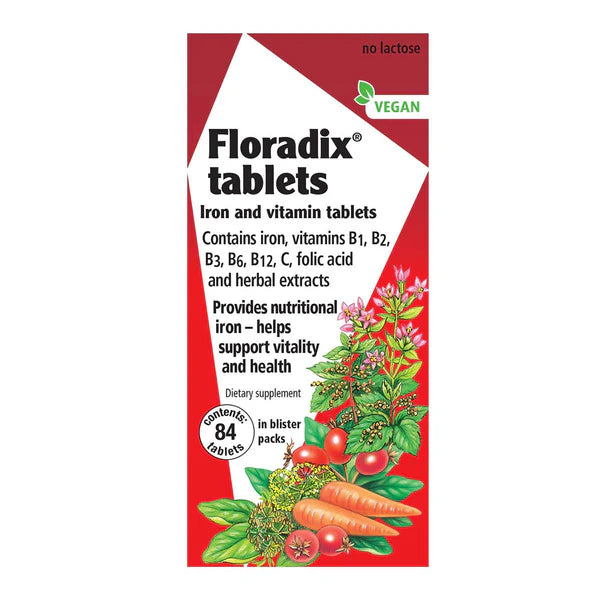
Persistent low energy is rarely solved by a single supplement. The most common nutritional causes of fatigue are iron deficiency (particularly in women of reproductive age), vitamin B12 deficiency (especially in vegans and older adults), vitamin D deficiency and poor sleep quality. CoQ10 supports mitochondrial energy production and is particularly relevant for people over 40 or those taking statin medications, which deplete CoQ10. Adaptogens such as ashwagandha and rhodiola help the body manage the physiological effects of stress, which is one of the most common drivers of energy depletion.
Common Questions
Should I take a multivitamin every day?A quality multivitamin is a practical insurance policy for nutritional gaps, but it is not a substitute for a varied diet. Multivitamins are most useful for people with dietary restrictions, high stress loads, or life stages with increased nutritional demands such as pregnancy, breastfeeding or older age. If you eat a varied whole food diet, a multivitamin may provide limited additional benefit beyond specific nutrients you are known to be low in.
What is the best time of day to take daily wellness supplements?Fat-soluble vitamins (A, D, E, K) and CoQ10 are best taken with a meal containing fat for optimal absorption. B vitamins and vitamin C are water-soluble and can be taken at any time, though B vitamins taken late in the day can occasionally interfere with sleep in sensitive individuals. Magnesium is often taken in the evening as it supports relaxation. Iron is best absorbed on an empty stomach but can be taken with food if it causes nausea.














![[Clearance] Ini Berry Soap Baby Bear Gift box 26g*6, Soap Bars](http://ocare.co.nz/cdn/shop/products/3086_G.jpg?v=1773958093&width=500)