


Toothbrushes
A good toothbrush is the foundation of effective oral hygiene. This collection covers manual and electric toothbrushes, including soft-bristle options for sensitive gums, bamboo toothbrushes for those seeking a more sustainable choice, and replacement heads for popular electric toothbrush models. Dentists recommend replacing your toothbrush or brush head every three months, or sooner if the bristles are frayed. We stock options for adults and children across a range of price points.
Sort by:
Choosing the Right Toothbrush
The most important factor in toothbrush selection is bristle softness. Dentists universally recommend soft or extra-soft bristles, as medium and hard bristles can damage tooth enamel and cause gum recession over time. Head size matters too — a smaller head allows better access to back teeth and hard-to-reach areas. Electric toothbrushes with oscillating or sonic technology have been shown in clinical studies to remove more plaque than manual brushing, particularly for people who struggle with technique.
Bamboo Toothbrushes and Sustainability
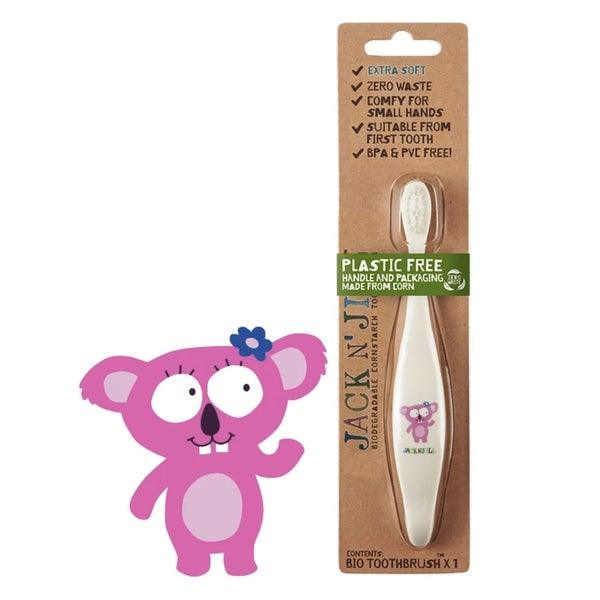
Conventional plastic toothbrushes are not recyclable through standard kerbside collection and contribute significantly to plastic waste. Bamboo toothbrushes offer a more sustainable alternative, as bamboo is a rapidly renewable resource and the handles are compostable. Most bamboo toothbrushes use nylon bristles, which are not biodegradable, though some brands offer plant-based bristle options. If sustainability is a priority, bamboo toothbrushes are a meaningful step towards reducing bathroom plastic waste.
Common Questions
How often should I replace my toothbrush?Dentists recommend replacing your toothbrush or electric brush head every three months, or sooner if the bristles are visibly frayed or splayed. Frayed bristles are less effective at cleaning and can harbour bacteria. You should also replace your toothbrush after recovering from a cold, flu or mouth infection.
Is an electric toothbrush worth it?For most people, yes. Clinical evidence consistently shows that electric toothbrushes — particularly oscillating-rotating models — remove more plaque and reduce gingivitis more effectively than manual brushing. They are particularly beneficial for people with limited dexterity, orthodontic appliances or a tendency to brush too hard. The upfront cost is higher but replacement heads are comparable in price to manual toothbrushes over time.










![[Clearance] Ini Berry Soap Baby Bear Gift box 26g*6, Soap Bars](http://ocare.co.nz/cdn/shop/products/3086_G.jpg?v=1773958093&width=500)