




Pregnancy & Breastfeeding
Pregnancy and breastfeeding place significant nutritional demands on the body. The need for folate, iodine, iron, omega-3, vitamin D and choline all increase substantially during these stages, and diet alone often falls short of meeting these elevated requirements. This collection covers prenatal and postnatal supplements formulated specifically for pregnant and breastfeeding women, including comprehensive prenatal multivitamins, standalone folate and iodine supplements, omega-3 DHA formulas and postnatal support products.
All products in this range are selected with maternal and infant safety in mind. We stock options that use methylfolate rather than folic acid for better bioavailability, and formulas that avoid ingredients not recommended during pregnancy. Whether you are planning a pregnancy, currently pregnant or in the breastfeeding stage, you will find targeted support here.
Filter
Sort by:
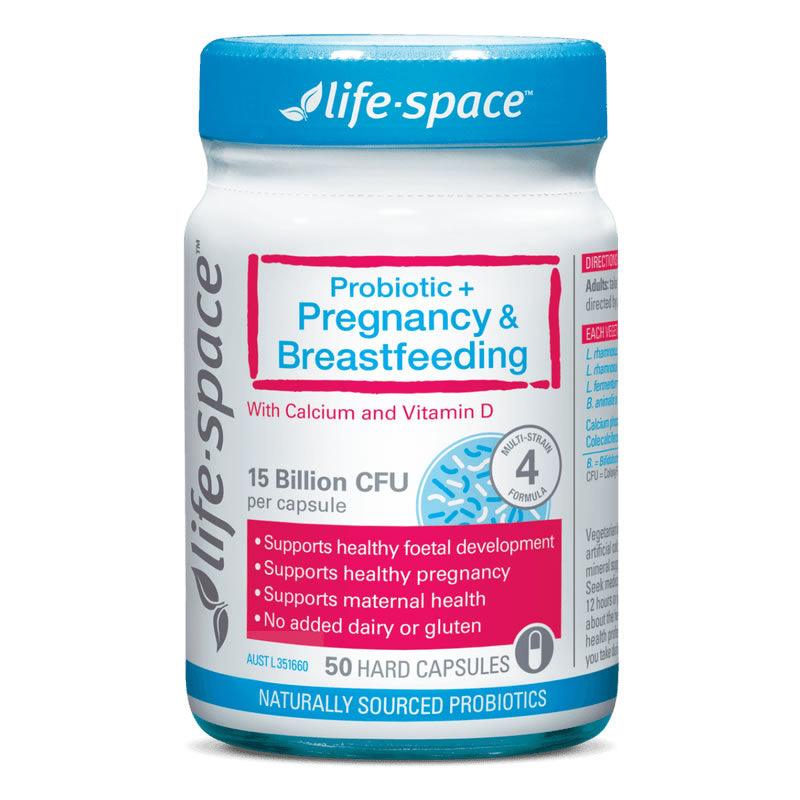
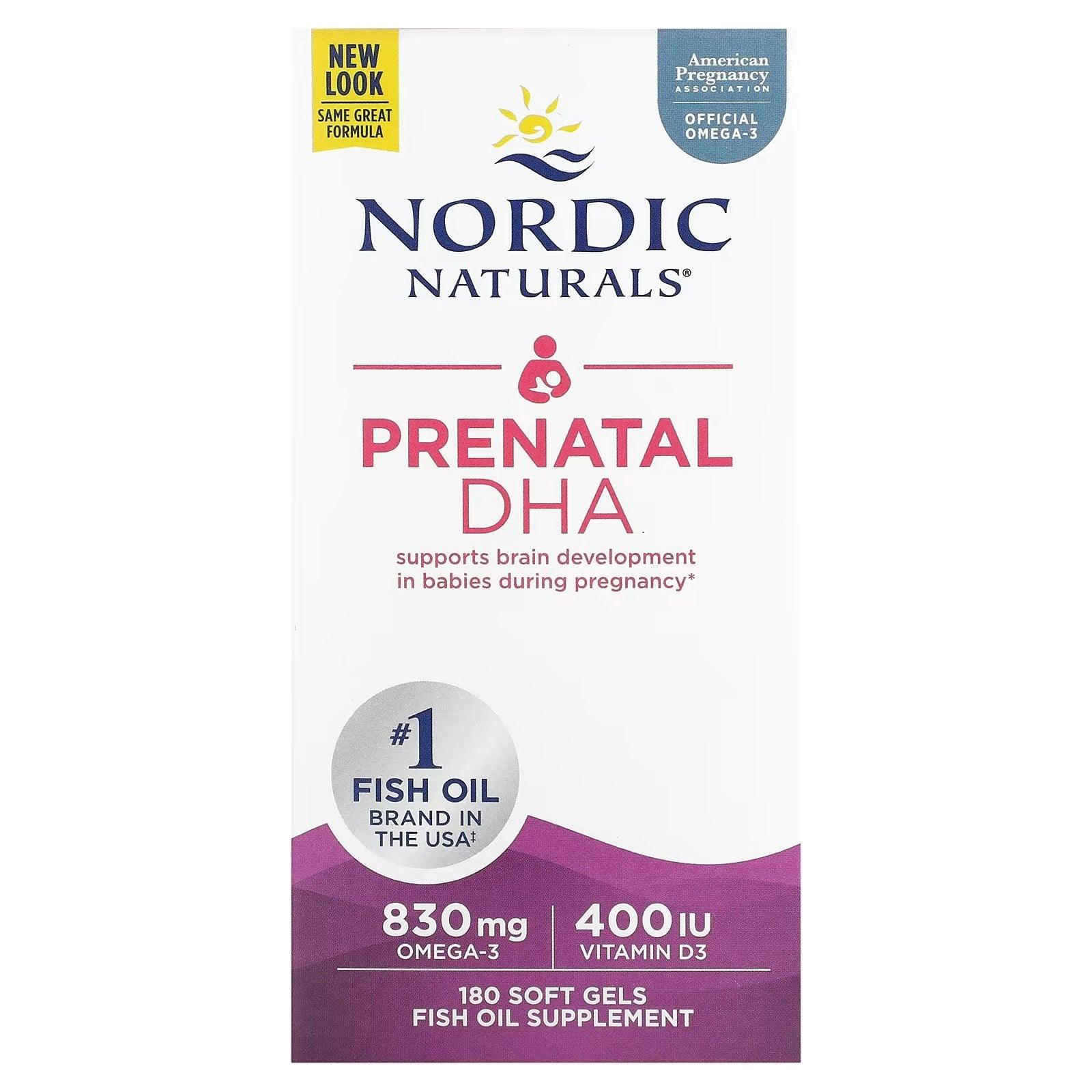
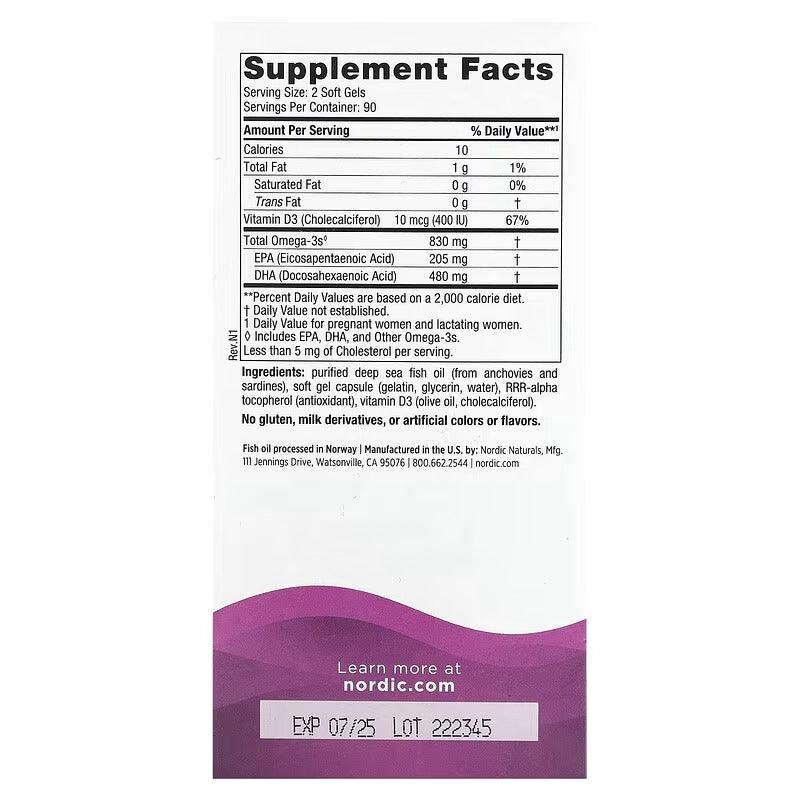
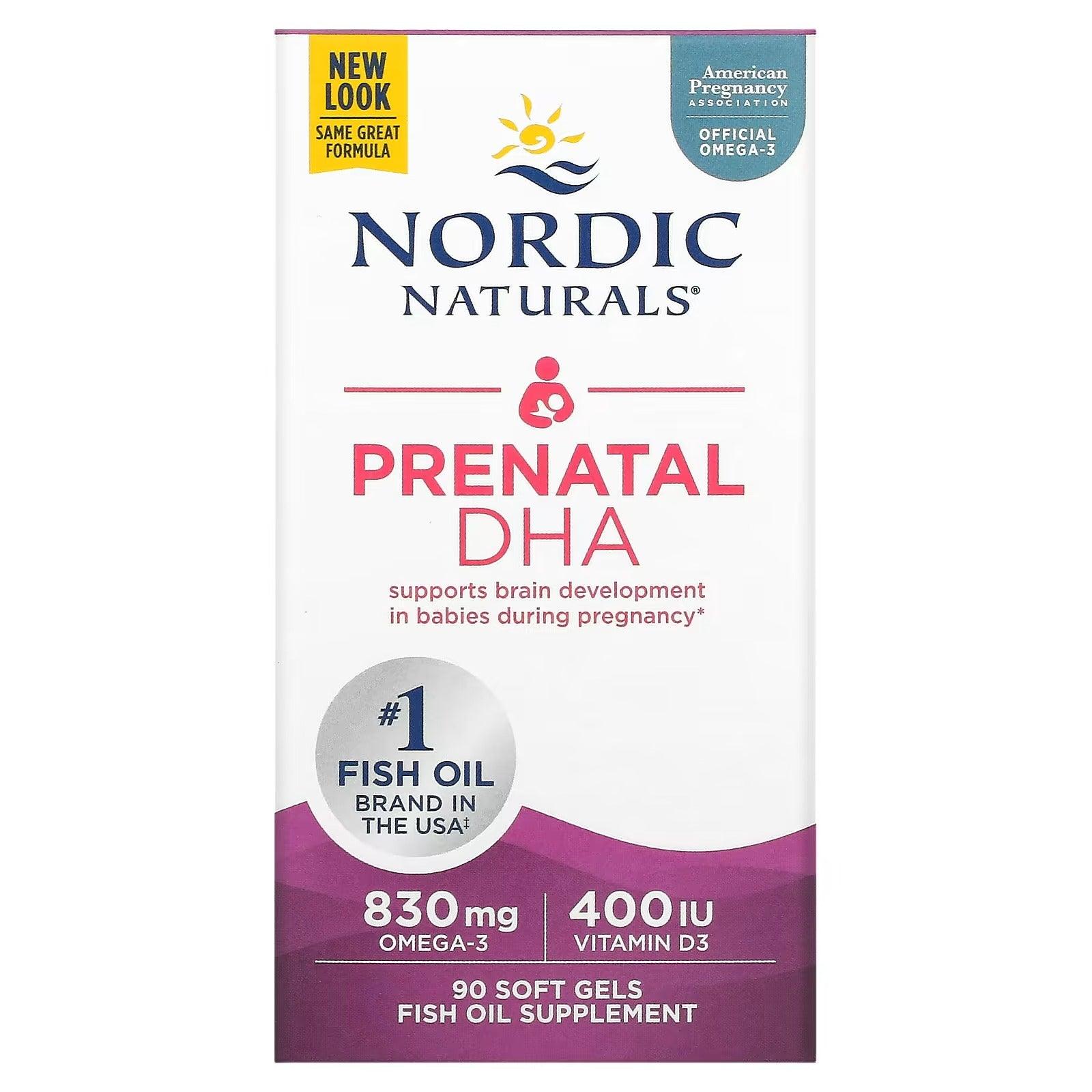
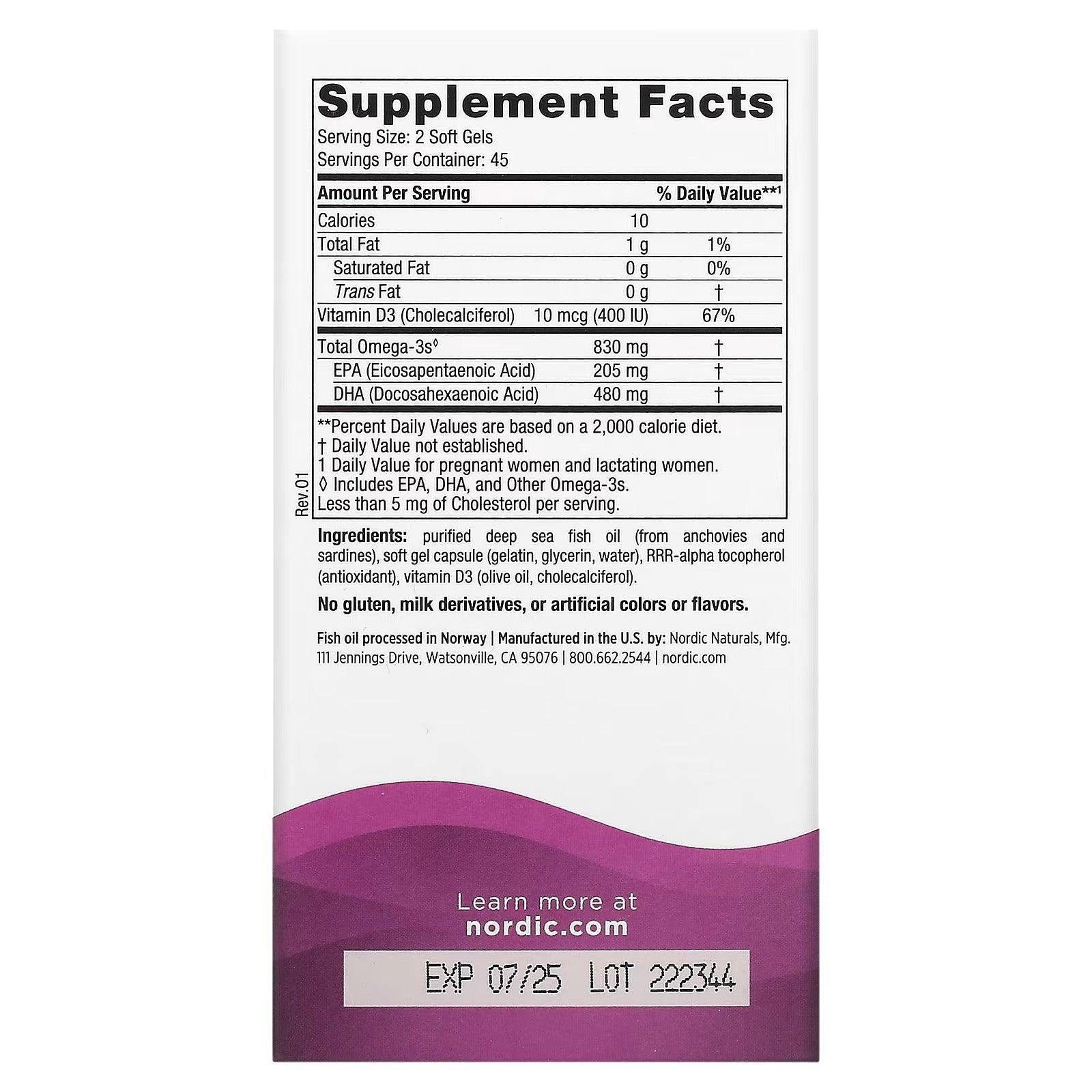
Nutritional Support for Every Stage of Motherhood
New Zealand's Ministry of Health recommends that women planning a pregnancy begin taking folic acid or methylfolate at least four weeks before conception and continue through the first twelve weeks of pregnancy to reduce the risk of neural tube defects. Iodine supplementation is also recommended throughout pregnancy and breastfeeding, as New Zealand soils are iodine-deficient and dietary intake is often insufficient. These two nutrients are the foundation of any pregnancy supplement plan.
Key Nutrients During Pregnancy
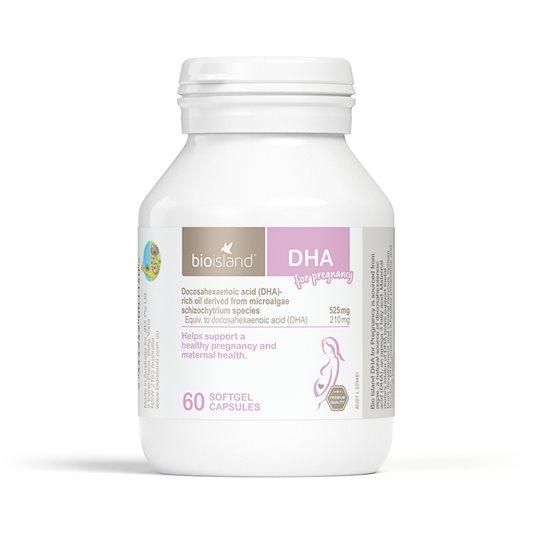
Beyond folate and iodine, a comprehensive prenatal supplement should include vitamin D, iron, calcium, omega-3 DHA, choline and B12. DHA is particularly important for fetal brain and eye development during the third trimester and continues to be important during breastfeeding. Iron requirements nearly double during pregnancy, and many women become deficient without supplementation. Choosing a prenatal formula that uses gentle, well-absorbed forms of iron such as iron bisglycinate reduces the risk of constipation, a common complaint with standard iron supplements.
Common Questions
When should I start taking prenatal vitamins?Ideally, start taking a prenatal vitamin at least one to three months before trying to conceive. This ensures your folate levels are adequate before conception occurs, which is critical for neural tube development in the first weeks of pregnancy, often before a woman knows she is pregnant. If you are already pregnant, start as soon as possible.
Can I take a prenatal vitamin while breastfeeding?Yes. Nutritional demands remain high during breastfeeding, and continuing a prenatal or postnatal multivitamin is generally recommended. Iodine and DHA are particularly important during this stage as they pass through breast milk to support infant brain development. Some postnatal formulas are specifically designed for the breastfeeding period with adjusted nutrient levels.
Is methylfolate better than folic acid during pregnancy?For most women, both forms are effective. However, a significant proportion of the population carries genetic variants that reduce the ability to convert folic acid to its active form. Methylfolate is the bioactive form and does not require conversion, making it a reliable choice for all women regardless of genetic variation. If you have a known MTHFR gene variant, methylfolate is the preferred option.












![[Clearance] Ini Berry Soap Baby Bear Gift box 26g*6, Soap Bars](http://ocare.co.nz/cdn/shop/products/3086_G.jpg?v=1773958093&width=500)