



Selenium
Selenium is an essential trace mineral that plays a critical role in antioxidant defence, thyroid hormone metabolism and immune function. The body requires only small amounts, but deficiency has significant consequences including impaired thyroid function, reduced fertility and weakened immune response. New Zealand soils are notably low in selenium, which means that locally grown food often provides insufficient amounts. This makes selenium supplementation particularly relevant for New Zealanders who do not regularly consume selenium-rich imported foods such as Brazil nuts, seafood or organ meats.
This collection covers selenium supplements in a range of forms including selenomethionine, which is the most bioavailable organic form, and sodium selenite. Products are available as standalone selenium capsules and as part of broader antioxidant or thyroid support formulas.
Sort by:
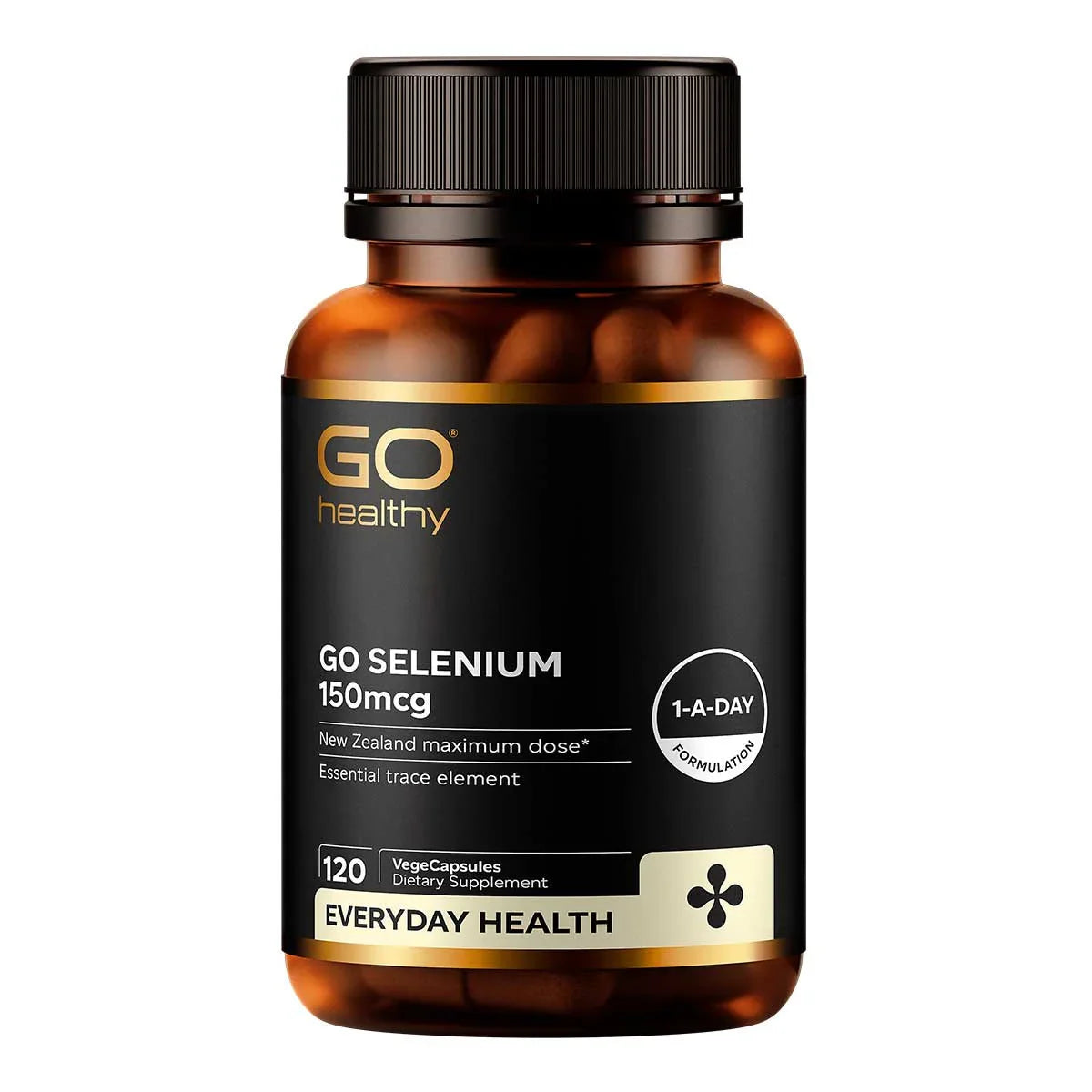
Why Selenium Matters More in New Zealand
New Zealand's volcanic soils are among the most selenium-deficient in the world. Studies have consistently shown that New Zealanders have lower blood selenium levels than populations in many other developed countries. This is not a minor nutritional footnote — selenium deficiency is associated with increased risk of thyroid dysfunction, reduced fertility in both men and women, impaired immune response and greater susceptibility to oxidative stress. The New Zealand government has taken steps to address this through selenium-enriched fertilisers, but dietary intake remains below optimal levels for many people.
Selenium and Thyroid Health
The thyroid gland contains the highest concentration of selenium of any organ in the body. Selenium is essential for the conversion of the inactive thyroid hormone T4 into the active form T3, and for protecting the thyroid from oxidative damage caused by hydrogen peroxide generated during hormone synthesis. People with autoimmune thyroid conditions such as Hashimoto's thyroiditis often have low selenium levels, and clinical trials have shown that selenium supplementation can reduce thyroid antibody levels and improve quality of life in this group.
Common Questions
How much selenium do I need per day?The recommended dietary intake for adults in New Zealand is 60mcg per day for women and 70mcg per day for men. The upper safe limit is 400mcg per day. Most selenium supplements provide 100 to 200mcg, which is within the safe range. Avoid taking multiple selenium-containing supplements simultaneously without checking total intake, as selenium toxicity (selenosis) can occur with chronic excess.
What is the difference between selenomethionine and sodium selenite?Selenomethionine is an organic form of selenium found naturally in foods and is the most bioavailable form for supplementation. It is well absorbed and stored in the body. Sodium selenite is an inorganic form that is also effective but slightly less bioavailable. For general supplementation, selenomethionine is the preferred choice. Both forms are used in clinical research and are considered safe at recommended doses.
Can I get enough selenium from Brazil nuts?Brazil nuts are one of the richest dietary sources of selenium, but the selenium content varies enormously depending on where they were grown. A single Brazil nut can provide anywhere from 10mcg to over 90mcg of selenium. Eating one to two Brazil nuts per day is a reasonable strategy for maintaining selenium status, but the variability makes it difficult to rely on as a precise source. A standardised supplement provides more consistent dosing.









![[Clearance] Ini Berry Soap Baby Bear Gift box 26g*6, Soap Bars](http://ocare.co.nz/cdn/shop/products/3086_G.jpg?v=1773958093&width=500)