

Vitamin C
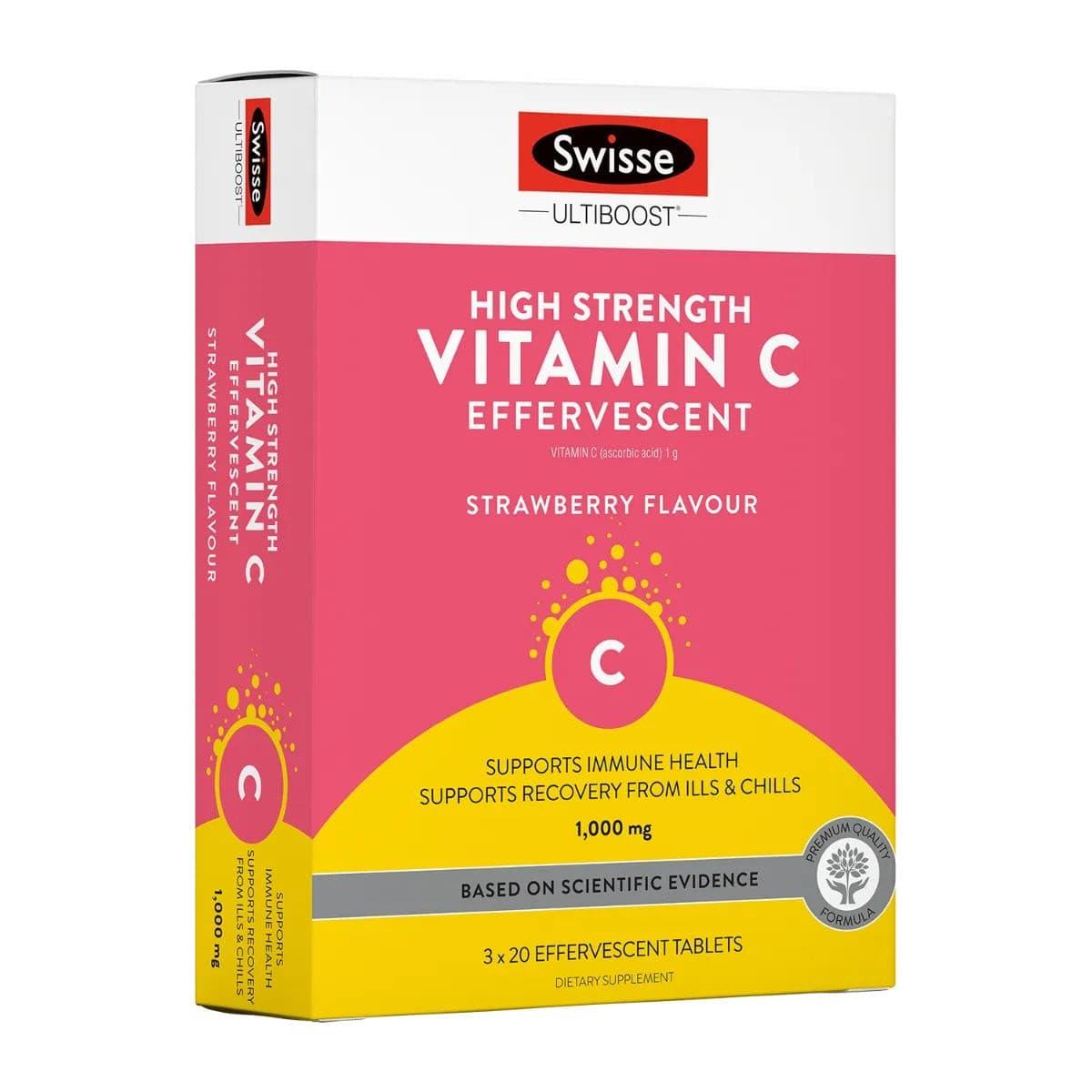
Vitamin C is one of the most widely used supplements in New Zealand and for good reason. It is a water-soluble antioxidant that the body cannot produce on its own, meaning daily intake through food or supplementation is necessary. It supports immune function, collagen synthesis, iron absorption and protection against oxidative stress. During the colder months when fresh fruit and vegetable intake often drops, many New Zealanders increase their vitamin C intake to support their immune system.
This collection covers a wide range of vitamin C formats including standard ascorbic acid, buffered vitamin C for sensitive stomachs, liposomal vitamin C for enhanced absorption, and chewable or powder options for those who prefer not to swallow capsules. We stock options across a broad dose range to suit everyday maintenance as well as higher-dose therapeutic use.
Sort by:
![[Clearance] Harker Herbals Vitamin C + Echinacea + Zinc 200ml, Vitamin C](http://ocare.co.nz/cdn/shop/products/HarkerHerbalsVitaminC_Echinacea_Zinc200ml.png?v=1744850708&width=1200)
![[Clearance] Harker Herbals Vitamin C + Echinacea + Zinc 200ml, Vitamin C](http://ocare.co.nz/cdn/shop/products/HarkerHerbalsVitaminC_Echinacea_Zinc200ml2.png?v=1744850709&width=1200)
Choosing the Right Vitamin C for Your Needs
Not all vitamin C supplements are the same. The form, dose and delivery method all affect how well your body absorbs and uses it. Standard ascorbic acid is the most affordable and widely available form. Buffered vitamin C uses mineral ascorbates such as calcium or sodium ascorbate, which are gentler on the stomach and better suited to people who experience digestive discomfort with regular ascorbic acid. Liposomal vitamin C encapsulates the nutrient in a fat-based carrier for significantly higher absorption rates.
How Much Vitamin C Do You Need
The recommended daily intake for adults in New Zealand is 45mg, which is easily met through diet. However, many people supplement at much higher doses, particularly during illness or periods of high physical or mental stress. The body's absorption capacity for vitamin C is dose-dependent and excess is excreted in urine, so very high doses are generally safe but may cause loose stools in some people.
Common Questions
Does vitamin C prevent colds?The evidence suggests vitamin C does not prevent colds in most people, but regular supplementation may reduce the duration and severity of symptoms. For people under significant physical stress such as athletes or those working outdoors in cold conditions, vitamin C supplementation has been shown to reduce cold incidence.
What is the best time of day to take vitamin C?Vitamin C can be taken at any time of day. Taking it with food reduces the chance of stomach upset. Because it is water-soluble and not stored in the body, splitting your dose across two or three times per day improves sustained blood levels compared to a single large dose.
Can I take vitamin C with other supplements?Yes. Vitamin C pairs well with zinc for immune support, with iron to enhance non-haem iron absorption, and with vitamin E as part of a broader antioxidant approach. It is one of the most compatible supplements available.
Related Categories
Zinc works alongside vitamin C for immune function and wound healing.
Vitamin E complements vitamin C as part of a broader antioxidant routine.
Kids Immunity and Digestion for vitamin C formulas designed for children.
Hair, Skin and Nails as vitamin C is needed for collagen production.
Organic Ingredients for those who prefer certified organic supplement options.










![[Clearance] Ini Berry Soap Baby Bear Gift box 26g*6, Soap Bars](http://ocare.co.nz/cdn/shop/products/3086_G.jpg?v=1773958093&width=500)