





Vitamin K
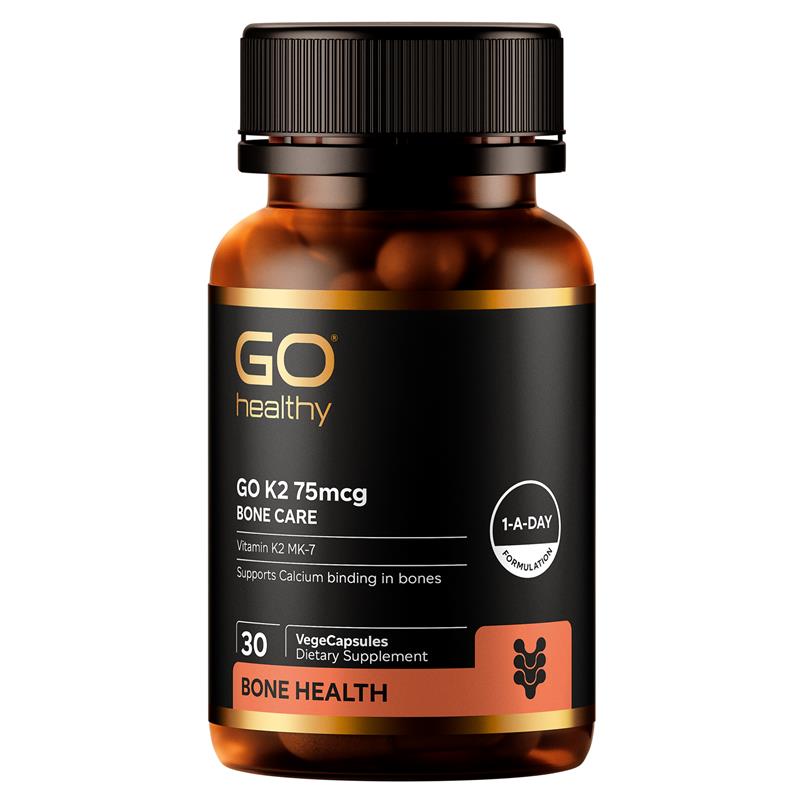
Vitamin K is essential for blood clotting, bone mineralisation and cardiovascular health. There are two main forms: K1 (phylloquinone), found in leafy greens and primarily involved in clotting, and K2 (menaquinone), which directs calcium into bones and away from arteries. K2 is particularly important for people taking vitamin D supplements, as vitamin D increases calcium absorption and K2 ensures it is deposited correctly. This collection covers K2 supplements in the MK-7 form, which has the longest half-life and best bioavailability, as well as combination K1/K2 and D3/K2 formulas.
Sort by:
Vitamin K1 vs K2: Understanding the Difference
Vitamin K1 and K2 have distinct roles in the body despite sharing the same name. K1 is primarily used by the liver for blood clotting factor production and is found in abundance in leafy green vegetables. Most people who eat a varied diet get adequate K1. K2, by contrast, is found in fermented foods such as natto, aged cheese and some animal products, and is less commonly consumed in sufficient amounts. K2 activates proteins that regulate where calcium is deposited in the body, directing it into bones and teeth rather than soft tissues and arteries.
Why D3 and K2 Are Often Combined
Vitamin D3 significantly increases calcium absorption from the gut. Without adequate vitamin K2, this additional calcium may not be directed efficiently into bone tissue and can accumulate in arterial walls, contributing to calcification. Taking D3 and K2 together is considered best practice by many practitioners, particularly for people taking higher doses of vitamin D. The MK-7 form of K2 is preferred for supplementation as it remains active in the body for over 24 hours, compared to MK-4 which has a much shorter half-life.
Common Questions
Can I take vitamin K2 if I'm on blood thinners?Vitamin K interacts with warfarin (Coumadin) and similar anticoagulant medications. Vitamin K1 directly affects clotting factor production and can reduce the effectiveness of warfarin. Vitamin K2 has less direct effect on clotting but should still be discussed with your GP or haematologist before use if you are on anticoagulant therapy. Do not start vitamin K supplementation without medical advice if you take blood thinners.
How much vitamin K2 do I need per day?There is no established recommended dietary intake for K2 specifically in New Zealand. Research suggests that 90 to 180mcg of MK-7 per day is effective for bone and cardiovascular benefits. Most K2 supplements provide 100 to 200mcg per dose. Vitamin K2 is fat-soluble, so take it with a meal containing fat for best absorption.














![[Clearance] Ini Berry Soap Baby Bear Gift box 26g*6, Soap Bars](http://ocare.co.nz/cdn/shop/products/3086_G.jpg?v=1773958093&width=500)