


Women's Health
Women's health needs change significantly across different life stages, from reproductive years through perimenopause and beyond. This collection covers supplements and health products formulated specifically for women, including hormonal balance support, iron, folate, calcium, bone health, breast health, menstrual support and menopause relief. Products are selected to address the nutritional gaps and health priorities most relevant to women at different ages and stages.
This collection is empty
Continue shoppingKey Nutritional Priorities for Women
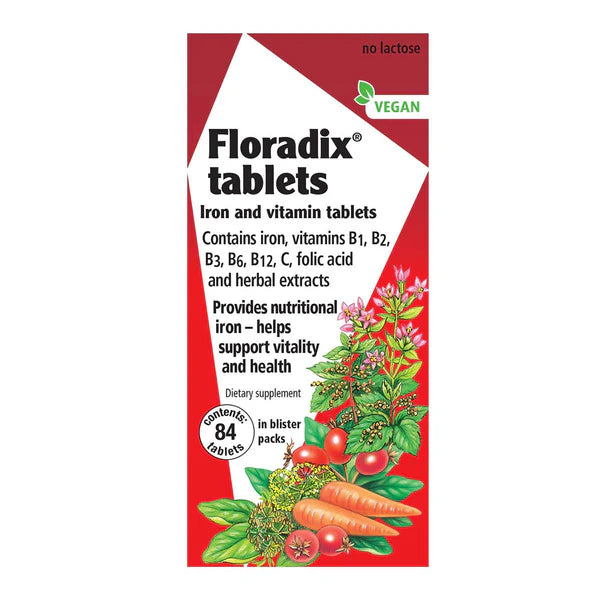
Women have distinct nutritional needs that differ from men at every life stage. During reproductive years, iron losses from menstruation make iron deficiency the most common nutritional deficiency in women globally. Folate is critical before and during early pregnancy for neural tube development. Calcium and vitamin D become increasingly important from the mid-30s as bone density begins to decline. During perimenopause and menopause, oestrogen decline accelerates bone loss and increases cardiovascular risk, making targeted nutritional support particularly valuable.
Hormonal Balance and Menstrual Health
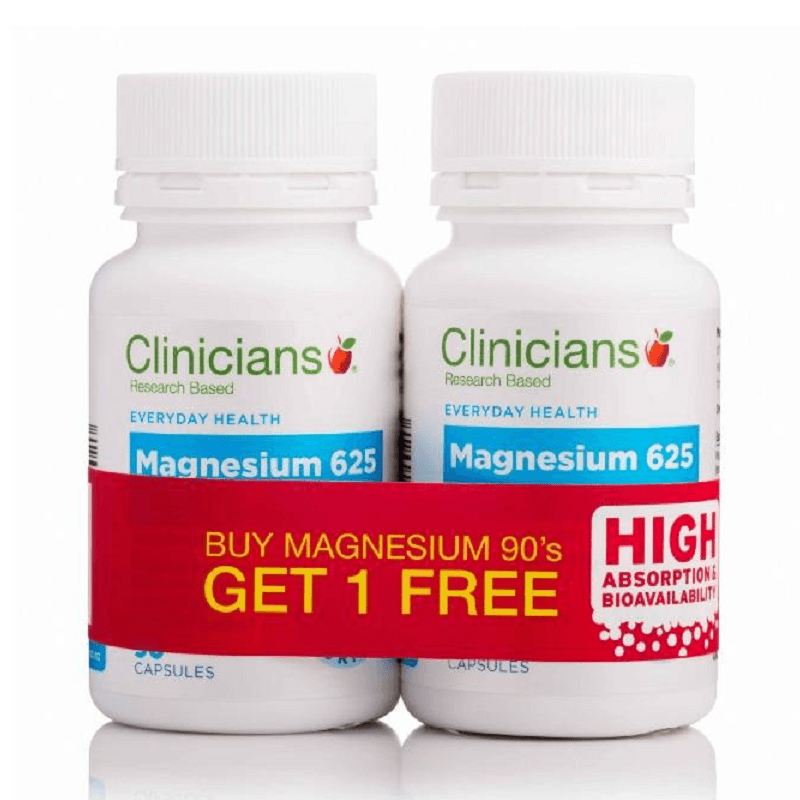
Several nutrients play a role in hormonal regulation. Magnesium helps reduce PMS symptoms including cramps, mood changes and bloating. Vitamin B6 supports progesterone production and has evidence for reducing PMS-related mood symptoms. Vitex (chaste tree berry) has clinical evidence for reducing PMS and supporting cycle regularity. Evening primrose oil is widely used for breast tenderness and PMS, though evidence is mixed. For menopause, black cohosh has the strongest evidence for reducing hot flushes among herbal options.
Common Questions
Do women need a different multivitamin from men?Yes, ideally. Women's multivitamins typically contain higher iron (for menstruating women), folate, and calcium, while men's formulas often contain higher zinc and selenium. Post-menopausal women generally do not need the higher iron levels in women's formulas and may be better served by a gender-neutral or senior formula. Check the iron content if you are post-menopausal, as excess iron can be harmful.
What supplements are most important during perimenopause?Calcium (1,000–1,200mg daily from food and supplements combined) and vitamin D (1,000–2,000 IU daily) are the most evidence-based supplements for bone protection during perimenopause. Magnesium supports sleep and mood. Black cohosh or red clover isoflavones may help with hot flushes. Omega-3 fatty acids support cardiovascular health, which becomes a greater priority after menopause. Discuss hormone-related supplements with your GP if you have a history of hormone-sensitive conditions.










![[Clearance] Ini Berry Soap Baby Bear Gift box 26g*6, Soap Bars](http://ocare.co.nz/cdn/shop/products/3086_G.jpg?v=1773958093&width=500)