




ニュージーランドの子供たちが学校以外の時間でスクリーン(画面)を見ている時間は、保健省のガイドラインによると、現在1日平均2時間を超えています。この数字はパンデミック中に増加し、その後も減少していません。ニュージーランド(アオテアロア)中の親たちが同じ問いを抱いています。「家庭で嫌われ者になることなく、どのように優しく介入を促せばよいのでしょうか?」
答えは、あなたが考えているよりもずっと穏やかなものかもしれません。
ぬいぐるみは、視覚的な刺激においてタブレットにはかないません。ぬいぐるみは光りませんし、レベルアップもしませんし、30秒ごとにドーパミンを放出させることもありません。
しかし、ぬいぐるみが提供するものは、スクリーンには再現できない「感覚をフルに使い、正解がなく、情緒的な知性を育む体験」です。なぜそれが重要なのか、そして適切なぬいぐるみが、動画の視聴やゲーム、ただぼんやりと画面を眺めるだけの時間を置き換える、真の選択肢となり得る理由を解説します。
触覚の科学
人間は本来、触覚によるつながりを求めるようにできています。子供が柔らかい表面をなでると、体内でオキシトシンが分泌されます。これは親と新生児を結びつけるのと同じホルモンです。スクリーンは「視覚」と「聴覚」という2つの感覚しか使いません。
ぬいぐるみは触覚、固有受容感覚(身体の位置を感じる感覚)、そして家庭の心地よい香りが付いていれば嗅覚も刺激します。これは2つ対3つというだけでなく、感覚入力の質が劇的に異なることを意味します。
オタゴ大学心理学部の研究によると、幼少期の触覚遊びは、微細運動能力の発達と感情のコントロールをサポートすることが示唆されています。
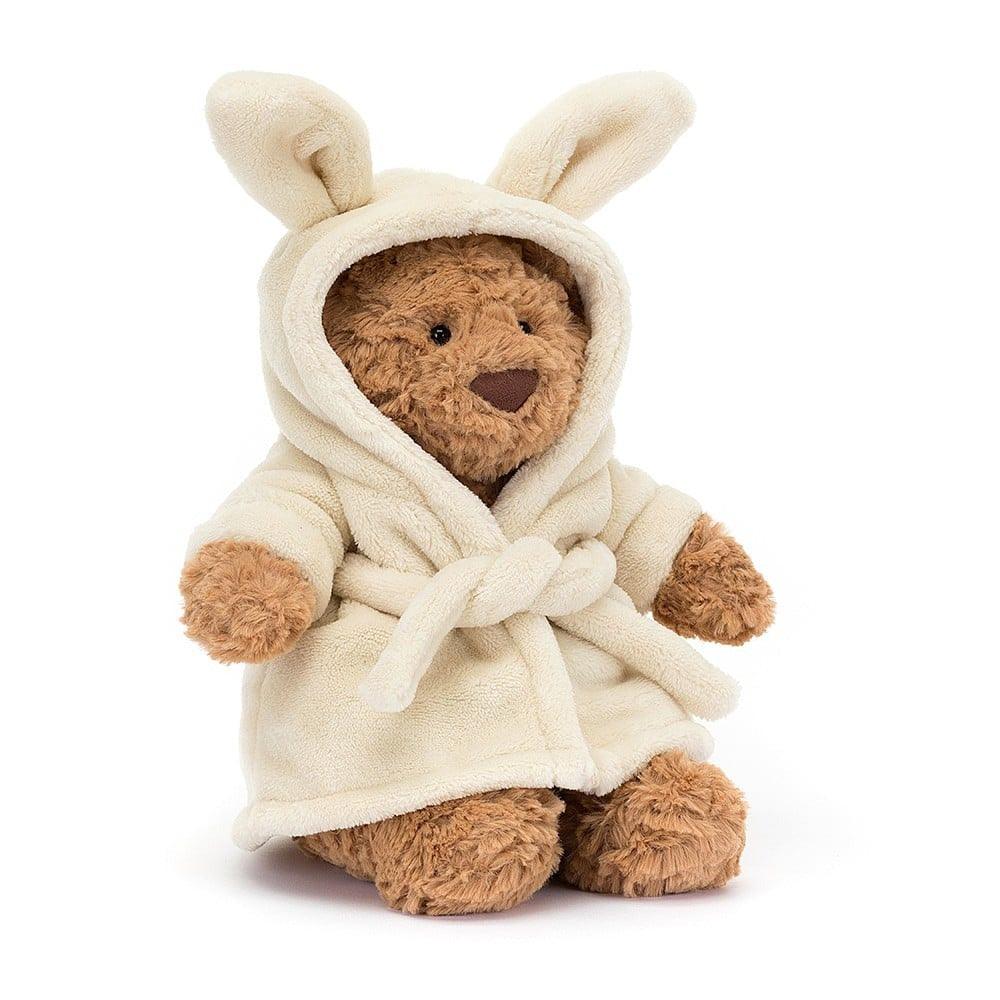
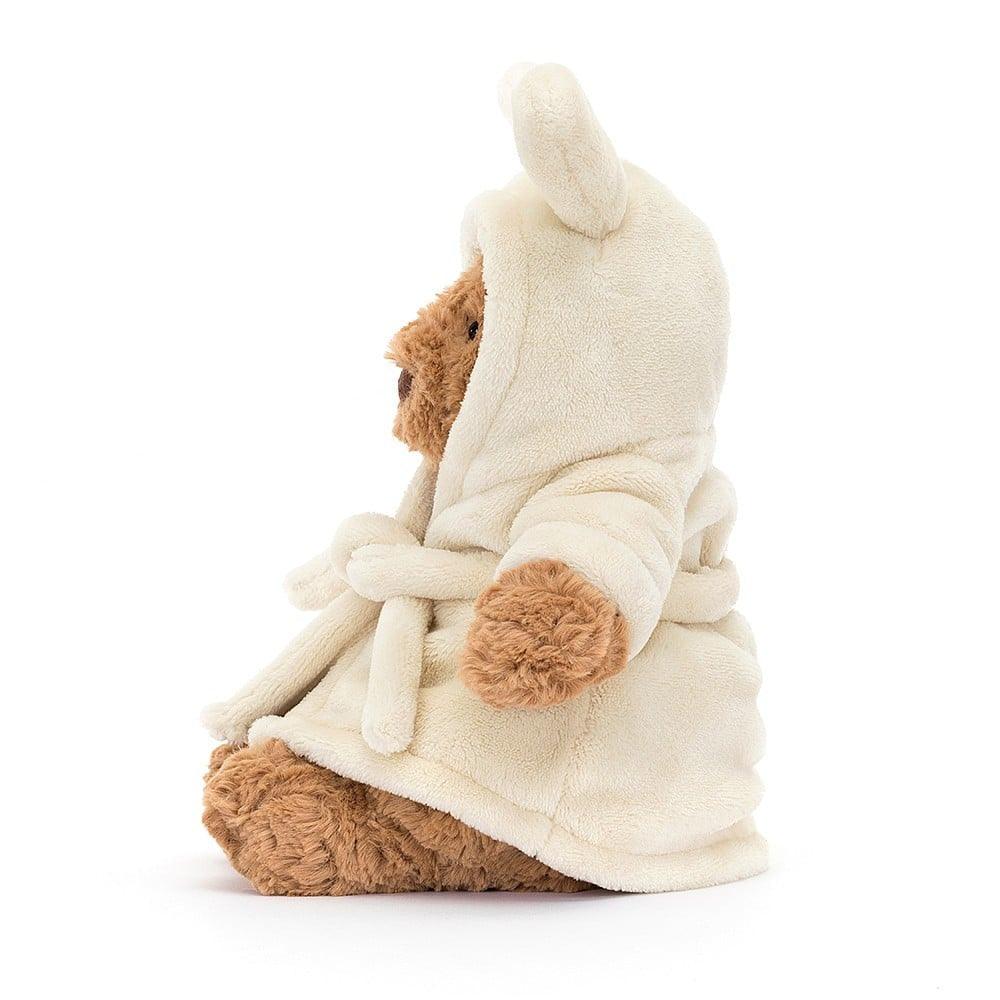
かんしゃくを起こした後に「Jellycat Bartholomew Bear Bathrobe」を抱きしめる子供は、ただ自分をなだめているだけではありません。彼らは、自分の神経系を落ち着いた状態に戻すという「自己調整」のスキルを練習しているのです。
対照的に、スクリーンは代わりに調整を行ってしまいます。色、音、アルゴリズムによるペース配分。これらは外部からの調整であり、子供がそれに依存すればするほど、自分自身で調整する練習の機会を失ってしまいます。
Ocareの「Cuddle CO」シリーズは、まさにこの発達段階のために作られました。柔らかく質感があり、小さな手に適したサイズのこれらのぬいぐるみは、神経回路を強化するような形で触覚を刺激します。Cuddle COのぬいぐるみを握る生後6ヶ月の赤ちゃんは、深刻な神経学的作業を行っており、どんなアプリもこれに匹敵することはできません。

想像力には余白が必要
最高の玩具とは、最も何もしない玩具です。スクリーンはあらゆる隙間を埋め尽くします。物語、キャラクター、葛藤、解決策のすべてを提供するため、子供はただ見る以外に何もすることがありません。
ぬいぐるみは静かに寄り添います。背景設定も、クエストも、台本もありません。子供がそのすべてを供給しなければならず、それによってスクリーンによって退化しがちな「物語の構築、視点の切り替え、創造的な問題解決」といった認知能力の筋肉を鍛えることができます。
「99 Nights in the Forest Deluxe Plush Deer」を想像してみてください。棚の上に静かで上品に立ち、その角は何か野生で太古のものを連想させます。子供がそれを手に取ります。どこに住んでいるのだろう?友達は誰だろう?昨夜の森で何が起こったのか?その答えは脚本家からではなく、子供自身の想像力から生まれます。これこそが重要なのです。
「LuLu the Piggy Animal Party Plush Toy」はまた別の種類の物語を刺激します。彼女はパーティーハットを被っています。誰のパーティー?どんなプレゼントを持ってきたの?早く着いたの、それとも遅れたの?これらは物語遊びの種であり、研究者が後の児童期の読解力や社会性の向上と結びつけている遊びそのものです。
タブレットは完成された物語を提供しますが、ぬいぐるみは物語の「始まり」を提供します。

心の錨(いかり)
大人に子供の頃のぬいぐるみについて聞いてみてください。彼らの表情がどう変わるか見てみましょう。彼らはその名前、質感、毛皮の色合いを正確に覚えています。ベッドのどこに置いてあったか、どんな匂いがしたかも覚えているはずです。iPadに対してこのような関係を築ける人はいません。
ぬいぐるみは、デジタル製品にはない「物理的な存在感」があるため、心の錨となります。涙を吸い込み、夜中の2時に悪夢で目が覚めたときもそこにいます。学校へ行く初日、他の子には見えないようにバッグの中に隠して、車で一緒に向かいます。
「Jellycat Rock-A-Bye Mouse」は、こうした関係性にぴったりのサイズです。ポケットに入る小ささと、頬に寄り添う柔らかさで、まさに「お守り」となるようなぬいぐるみです。ストレスのかかる変化(保育園の開始、家族の引っ越し、新しい兄弟の誕生など)の時期にマウスを連れ歩く子供は、家庭の一部を持ち歩いているのです。
スクリーンにはこれができません。お気に入りのゲームは削除される可能性があり、タブレットはバッテリーが切れます。デジタル世界は本質的に無常です。適切にお手入れされたぬいぐるみは、子供時代を越えて残り続けます。私は30代になってもJellycatのウサギを棚に飾っている大人に会ったことがありますが、6歳の頃に夢中になっていたiPadゲームを今もプレイしているという大人には会ったことがありません。
ニュージーランドの家族のための実践的な置き換え
これは、スクリーンが悪者だということではありません。スクリーンはツールであり、どんなツールもそうであるように、意図を持って使う場合に最も効果を発揮します。目的は排除することではなく、バランスです。ニュージーランドの家族で実際に効果があった、いくつかの置き換え方法をご紹介します。
朝のテレビアニメの代わりに「朝の遊び」
朝のテレビアニメを見る代わりに、「52Toys Toothless Plush Keychain」で10分間の想像遊びを試してみてください。小さくて持ち運びに適しているため、あなたがコーヒーを入れている間、子供は朝食のテーブルの片隅でドラゴンの世界を作り上げることができます。
タブレットを使わない車内でのエンターテインメント
休暇でビーチハウスへ向かう長い車内でタブレットを使う代わりに、「Baby Three V3 Plush Doll Blind Box」を持参しましょう。箱を開けるワクワク感がエンターテインメントになり、人形そのものが旅の仲間になります。コロマンデルに到着する頃には、その人形には名前や性格、詳細な物語ができあがっているはずです。
スクリーンを使わずに心を落ち着かせる就寝儀式
寝る前のスクリーン(睡眠の質を低下させることが研究で一貫して示されています)の代わりに、ぬいぐるみを寝かしつけるという日課を作りましょう。小さなバスローブを身に着けた「Jellycat Bartholomew Bear Bathrobe」なら、ぬいぐるみ自体の着せ替えが就寝儀式そのものを導いてくれます。
歯を磨き、パジャマに着替え、クマを寝かしつけ、子供も布団に入る。そのルーチンの予測可能性は、スクリーンのブルーライトよりもはるかに効果的に神経系を落ち着かせます。

静かなる革命
ぬいぐるみがスクリーンタイムの論争をすべて解決するわけではありません。しかし、ぬいぐるみはどんな政策やペアレンタルコントロールアプリ、善意のガイドラインも提供できないもの、つまり「子供たちが自ら望む、真の代替案」を提供してくれます。
重要なのはタイミングです。スクリーンの習慣が定着する前に新しいぬいぐるみの仲間を紹介すれば、それは子供時代を構成する大切な家具の一部となります。9歳の子の手からタブレットを無理やり取り上げようとする段階まで待ってしまうと、ぬいぐるみにとってもハードルは上がります。しかし、たとえそうなったとしても、もっと大きな子供たちであっても、適切なタイミングで適切なぬいぐるみと出会うことは扉を開くきっかけになり得ます。
十代の若者のバッグに取り付けられた「LuLu the Piggy Joyful Time Series Plush Keychain」。大学生のデスクにある「Jellycat Amuseables Storm Cloud」。何でもない日のちょっとした贈り物としての「99 Nights in the Forest Mystery Plush Blind Box」。
これらは、鋭く尖ったデジタル世界の中での、小さな「優しさの行為」です。注意を強要することもなければ、通知を送ることもありません。ただそこに座り、忍耐強く、あなたが手に取るのを待っています。
結局のところ、そこに違いがあるのです。そしてその違いは、選ぶ価値のあるものです。