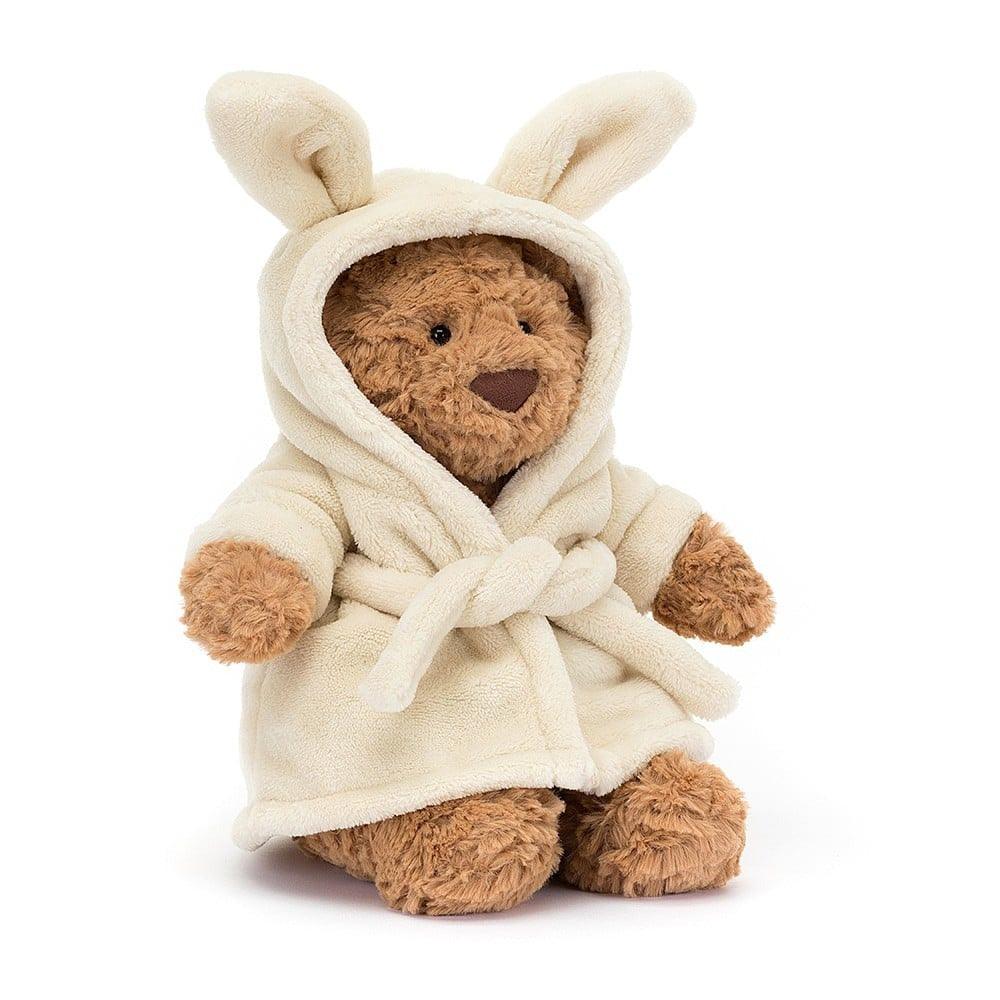
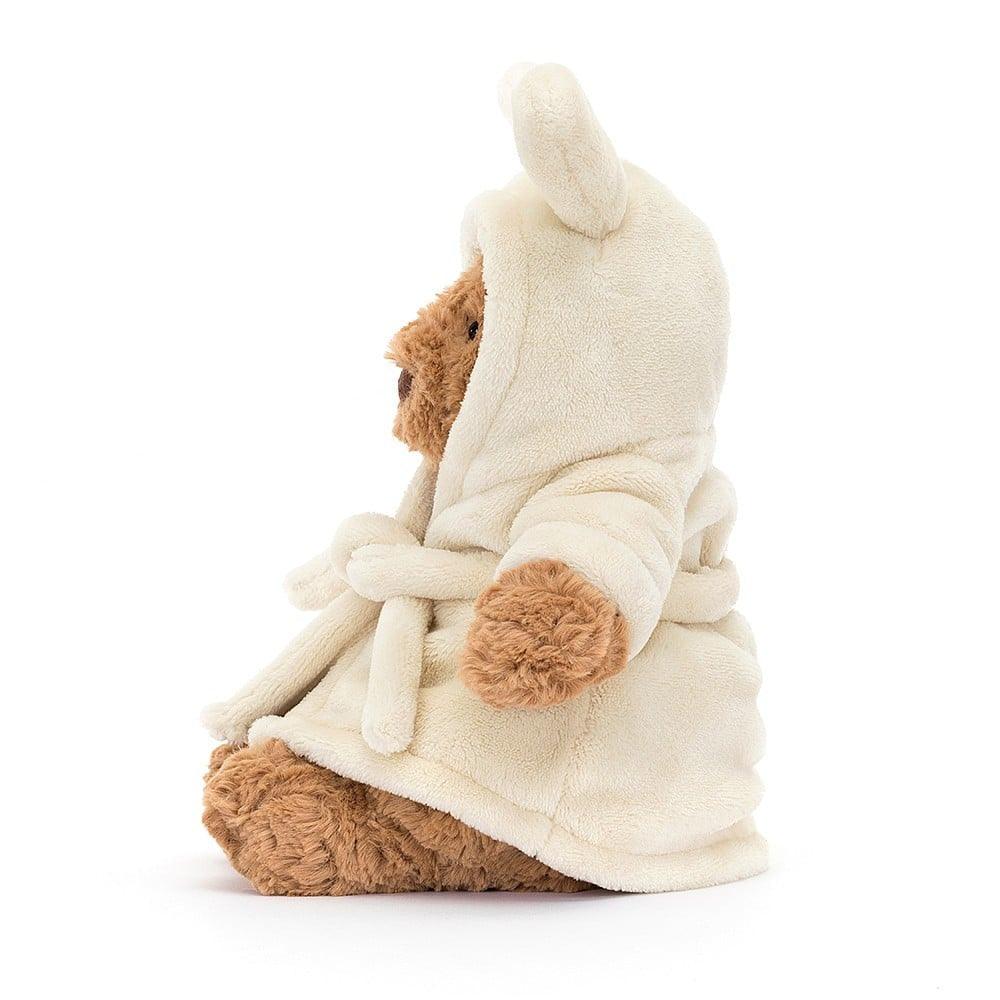





今、おもちゃ売り場で最も意外な買い物客といえば、自分のために購入する大人たちです。Retail Diveやニューヨーク・ポストが報じた業界データによると、現在大人がおもちゃに費やす金額は未就学児を上回っており、その多くがぬいぐるみ売り場に流れています。
CNBCによると、Jellycat(ジェリーキャット)は大人からの需要によって年間利益を倍増させました。また、Circanaの分析官は、最近の景気減速の中でも世界的なおもちゃの売上が堅調に推移しているのは、「キダルト(大人びた子供)」による購入が理由であると指摘しています。ニュージーランド・ヘラルド紙も、レゴからラブブ(Labubu)に至るまで、地元で同じ波が起きていることを報じています。これはニッチな現象ではありません。おもちゃ業界における最大の成長物語であり、単なるノスタルジー以上のものに基づいているのです。
お金の行方
その数字は衝撃的です。ビジネスインサイダーは米国の大人向けおもちゃ市場を約70億米ドルと試算しており、エコノミスト誌は、ミレニアル世代とZ世代がその推進力となっていると指摘しました。小売業者は、今や大人が子供よりもおもちゃにお金を使っていると報告しており、この変化によって、大人のコレクターが業界を定義する顧客となっています。
特にぬいぐるみは、ステータスに近いカテゴリーとなっています。あるレポートではJellycatのギフトは新しい贅沢なトレンドとして紹介され、ラブブのようなブラインドボックスブランドは、大人たちに高級な夕食に匹敵する価格での繰り返し購入を促しています。
これらは決して偶然ではありません。おもちゃメーカーはこれに気づいており、今や大人をターゲットに設計を行っています。コレクター向けのラインナップ、限定版、子供時代のブランドの大人向けバージョンが、子供向けの棚と並んで陳列されており、ニュージーランド・ヘラルド紙も、レゴからラブブに至るまで、各ブランドが明確に大人の財布を狙っていると指摘しています。
ニュージーランドのおもちゃ小売店にとって、これはぬいぐるみ売り場を見ている顧客が、4歳児であるのと同じくらい34歳の大人である可能性もあることを意味しています。

ぬいぐるみの心理学
判断を下さない心地よさ
心理学者は、この魅力を「インナーチャイルド(内なる子供)」という言葉で説明します。大人は仕事や住居費、絶え間ない通知によるストレスを抱えており、柔らかい物体は具体的で静かな何かを提供してくれます。ぬいぐるみは判断を下さず、反応せず、何も要求しません。
このトレンドを報じたCNAライフスタイルは、専門家の意見として、これはインナーチャイルドを癒やす行為であると説明しています。また、theSkimmはぬいぐるみと一緒に寝ることが健康的かどうかという話題を取り上げましたが、研究の側面からは、それが正常であり、むしろ心を落ち着かせる効果があるという結論に至っています。
質感と触感
物理的な側面もあります。柔らかな毛並みに触れることで心地よさを感じる反応が引き起こされ、その感覚的な魅力がトレンドを長続きさせている要因の一つです。ブランド分析官は、質感や触感への渇望が需要を牽引していると述べており、それが、プレミアムなぬいぐるみブランドが、大人が子供時代に記憶しているおもちゃよりも明らかに肌触りの良い高品質な素材を使用している理由です。
その触感のアップグレードこそが、大人が一般的なクマのぬいぐるみよりも高いお金を払ってでもJellycatを手に入れようとする理由の一つです。
スクリーンから離れた所有感
また、ぬいぐるみは大人にとって珍しい、「スクリーンを必要としない趣味」を提供してくれます。ぬいぐるみを収集し、飾り、大切に扱うことは体験型であり、トレーディングカードのような競争のプレッシャーや、レコードのような棚を圧迫する重量感もなく、物理的なコレクションと同様の満足感を生み出します。デジタル環境で育った大人にとって、これはよりゆったりとした遊びへの小さな回帰なのです。
社交的な側面
ぬいぐるみ収集は、決して孤独な趣味ではありません。コレクターはネット上で戦利品を共有し、ブランド側はすぐに完売する限定ドロップや季節ごとのキャラクターでその熱量を維持しています。コミュニティの側面はニュージーランドでも強く、コレクターグループ同士で手に入れたものを交換したり、ソーシャルな儀式としてぬいぐるみをプレゼントし合ったりしています。
子供のためではなく、友人やパートナーのために高品質なぬいぐるみを贈るという「ぬいぐるみギフト」の台頭により、このカテゴリーは大人同士の思いやりの証へと変化しました。厳選されたぬいぐるみは、一般的なギフトカードでは伝えられない何かを語りかけてくれます。
共有される儀式としての収集
このトレンドの最も強力な点は、人々が一緒に何かをする機会を与えてくれることです。友人同士で戦利品を見せ合い、パートナー同士で特定のデザインを探し合い、買い続けてきた親は、大人になった子供と習慣を分かち合う理由を得ました。
限定ドロップはささやかなイベントを生み出し、コレクターは発売時間を合わせて注文の成功を祝います。それは、たまたま柔らかいおもちゃの上に構築された、コミュニティ形成の形なのです。
購買における意味
実務的な結論として、これまで以上に「品質」が重要視されているということです。大人は自分のために購入するため、棚からおもちゃを掴み取る子供とは違い、縫製や生地、キャラクターデザインを細かく見ています。これが、確立されたぬいぐるみメーカーが価値を維持し、コレクターがある特定のデザインのために列を作る理由です。
大人にぬいぐるみを贈る際、そのブランドの物語がギフトの一部となり、ぬいぐるみの感触が残りの部分を補います。
ニュージーランドの買い物客にとって、実務面ではもう一つ考慮すべき点があります。海外からぬいぐるみを輸入すると、送料や通貨リスクが発生し、待ち時間が数週間に及ぶこともあります。地元の在庫から購入すれば、数日で届き、価格はニュージーランドドル(NZD)で表示され、万が一商品が破損していた場合でも返品の手続きは簡単です。
それが、NZのコレクターが海外のセラーに頼る前に地元のストックをチェックするようになり、地元のぬいぐるみ売り場が成長し続けている理由です。

Ocareでは、JellycatやミッフィーからPusheen(プシーン)、Funkoのぬいぐるみまで、大人コレクターが実際に追い求めるぬいぐるみブランドを扱い、すべてNZ国内在庫で即日配送が可能です。ぬいぐるみコレクションとJellycatシリーズは、定番の心地よいアイテムと収集価値のある限定品の両方をカバーしているため、大人向けコレクションの次のアイテムを海外から取り寄せる必要はありません。
大人がぬいぐるみを選ぶ理由
大人がぬいぐるみを自分用に買うことに、何ら退行的なことはありません。おもちゃ業界は実質的に、大人がその将来であると認めており、心理学もまた、この購入を健全な小さなセルフケアの行為として支持しています。
デスクやベッドにあるぬいぐるみは、すべてが生産的、効率的、あるいは深刻である必要はないということを思い出させてくれます。物価の上昇や絶え間ない喧騒が続く年において、その気づきは値札以上の価値があるのです。
NZ市場も同様の需要があり、地元の取扱店はそれに応えています。初めてのJellycatであれ、子供時代のお気に入りのキャラクターであれ、静かな安らぎを必要としている誰かへの贈り物であれ、ぬいぐるみ売り場は今や誰にとっても場所なのです。