


Vision Support
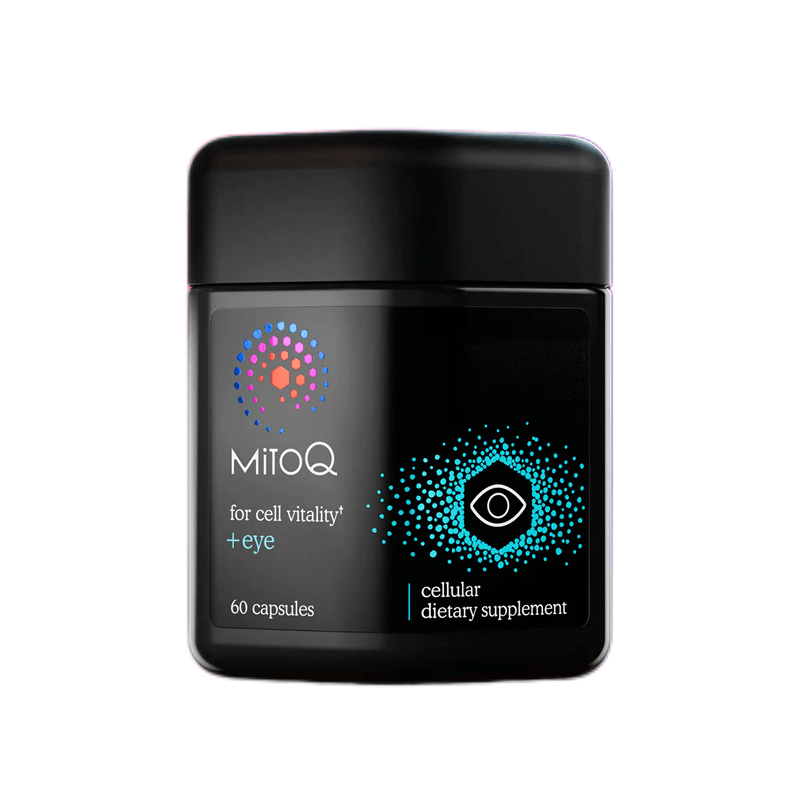
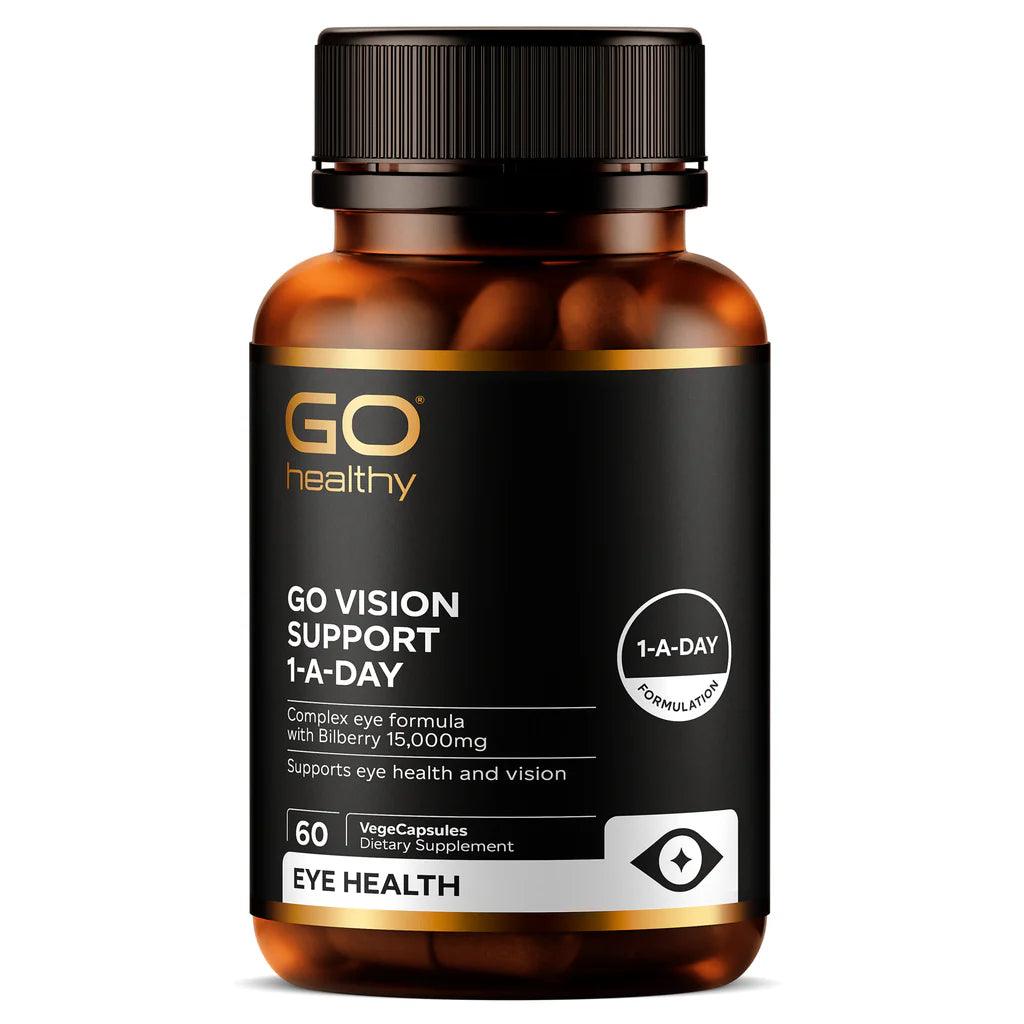
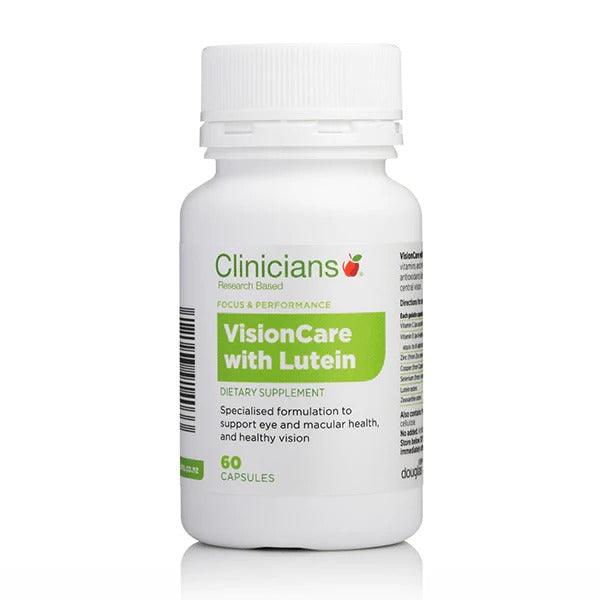
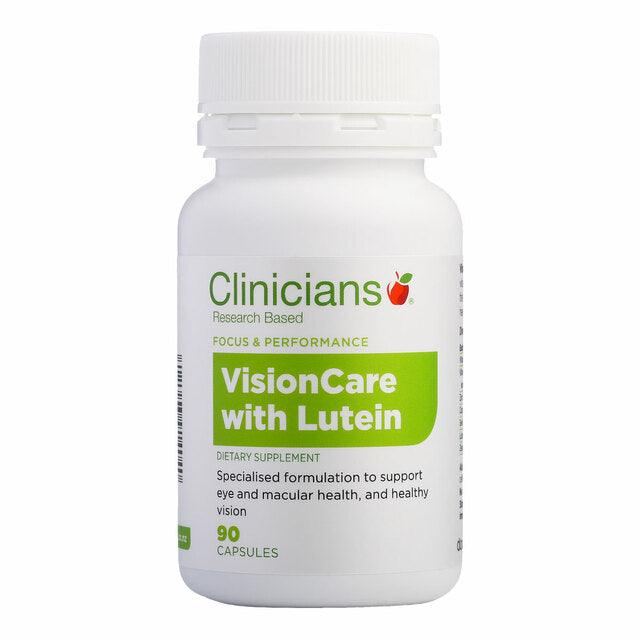
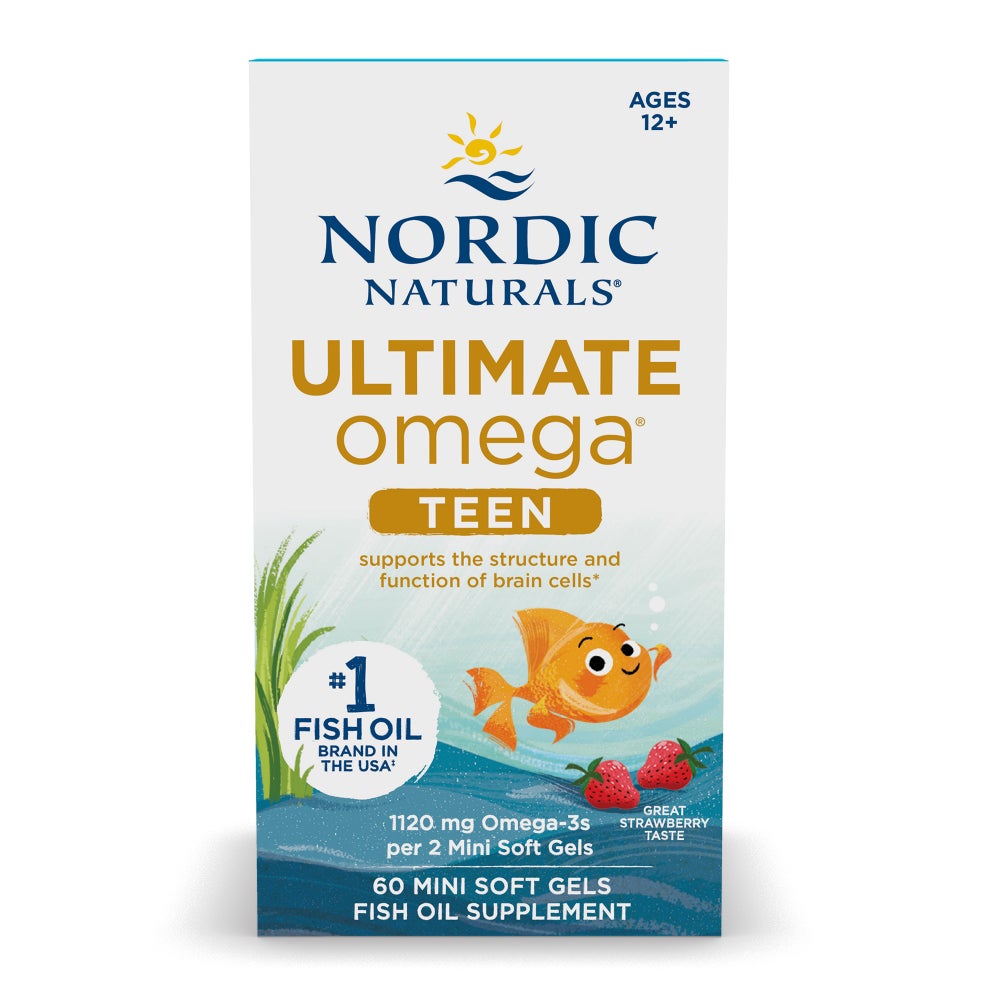
Eye health is something many people take for granted until problems arise. Screen time, UV exposure, ageing and nutritional gaps can all affect visual acuity and long-term eye health. This collection covers supplements formulated to support healthy vision, including lutein and zeaxanthin for macular protection, omega-3 for dry eye relief, vitamin A for night vision and antioxidant blends designed to protect the delicate tissues of the eye from oxidative damage.
New Zealand's high UV index makes eye protection particularly relevant here. Alongside sunglasses and regular eye checks, nutritional support for the eyes is a practical step that many optometrists now recommend. Whether you are looking to support ageing eyes, reduce digital eye strain or maintain long-term visual health, you will find targeted options in this range.
並べ替え:
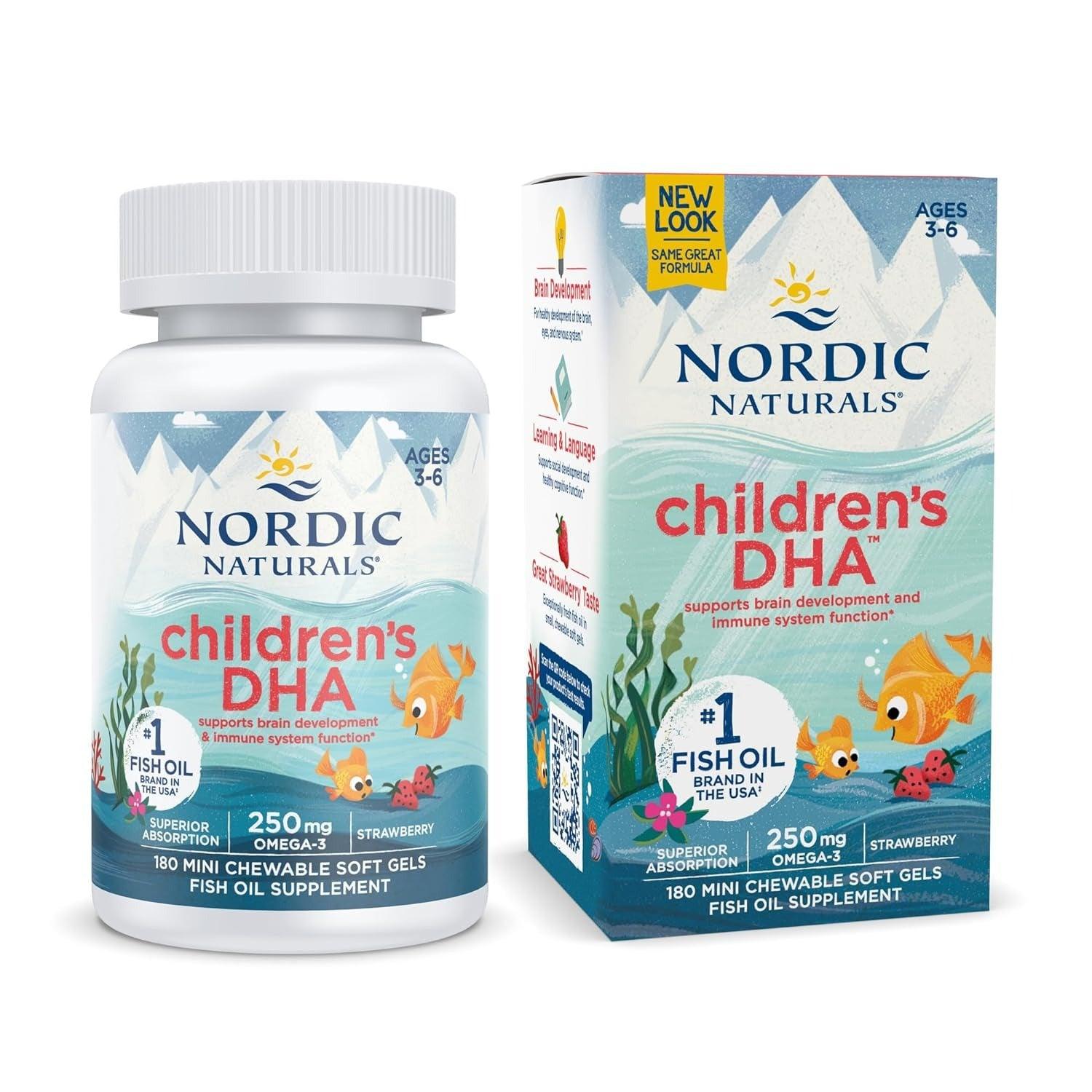
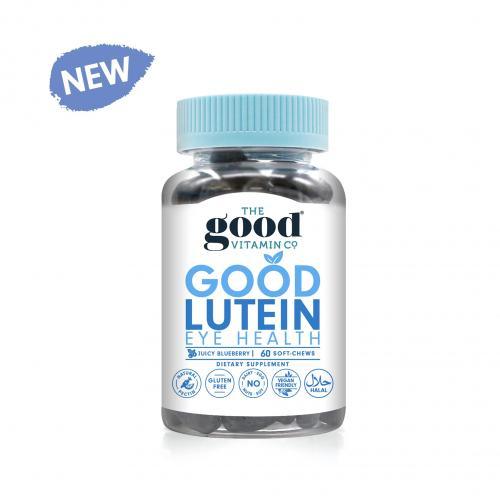
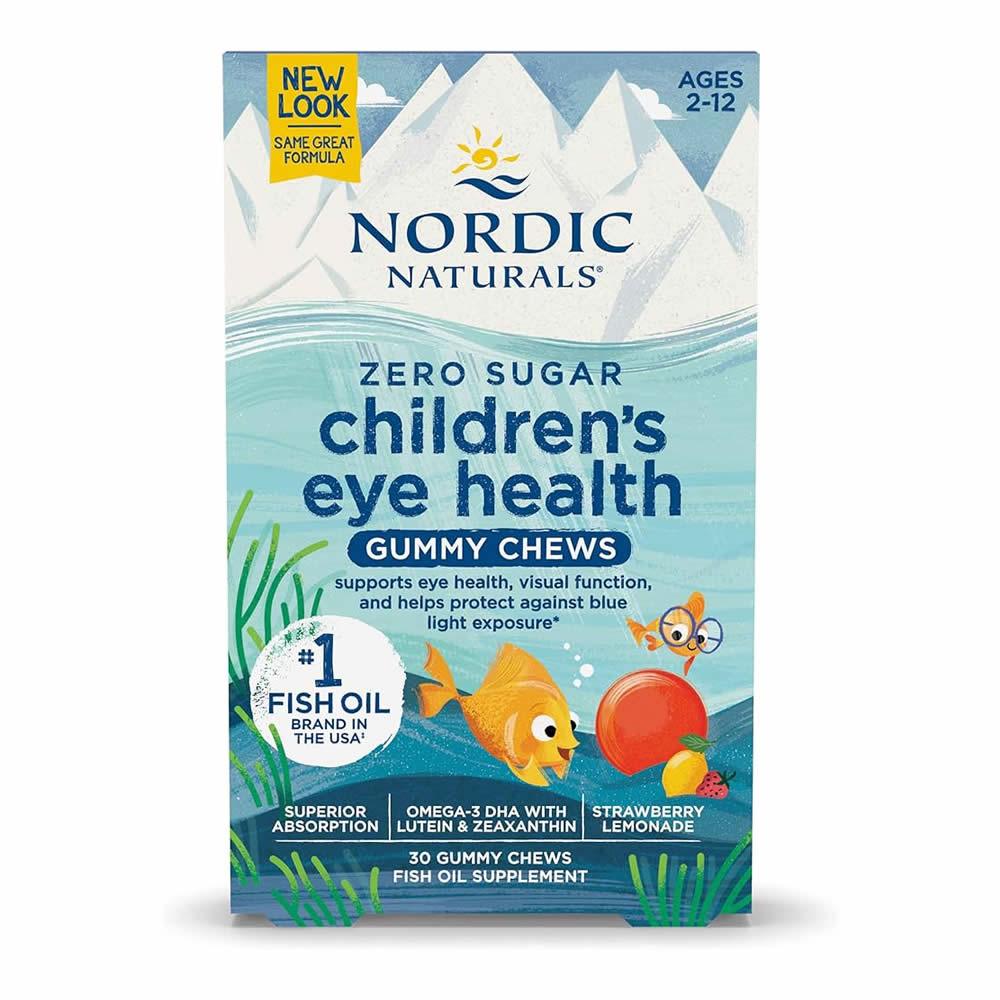
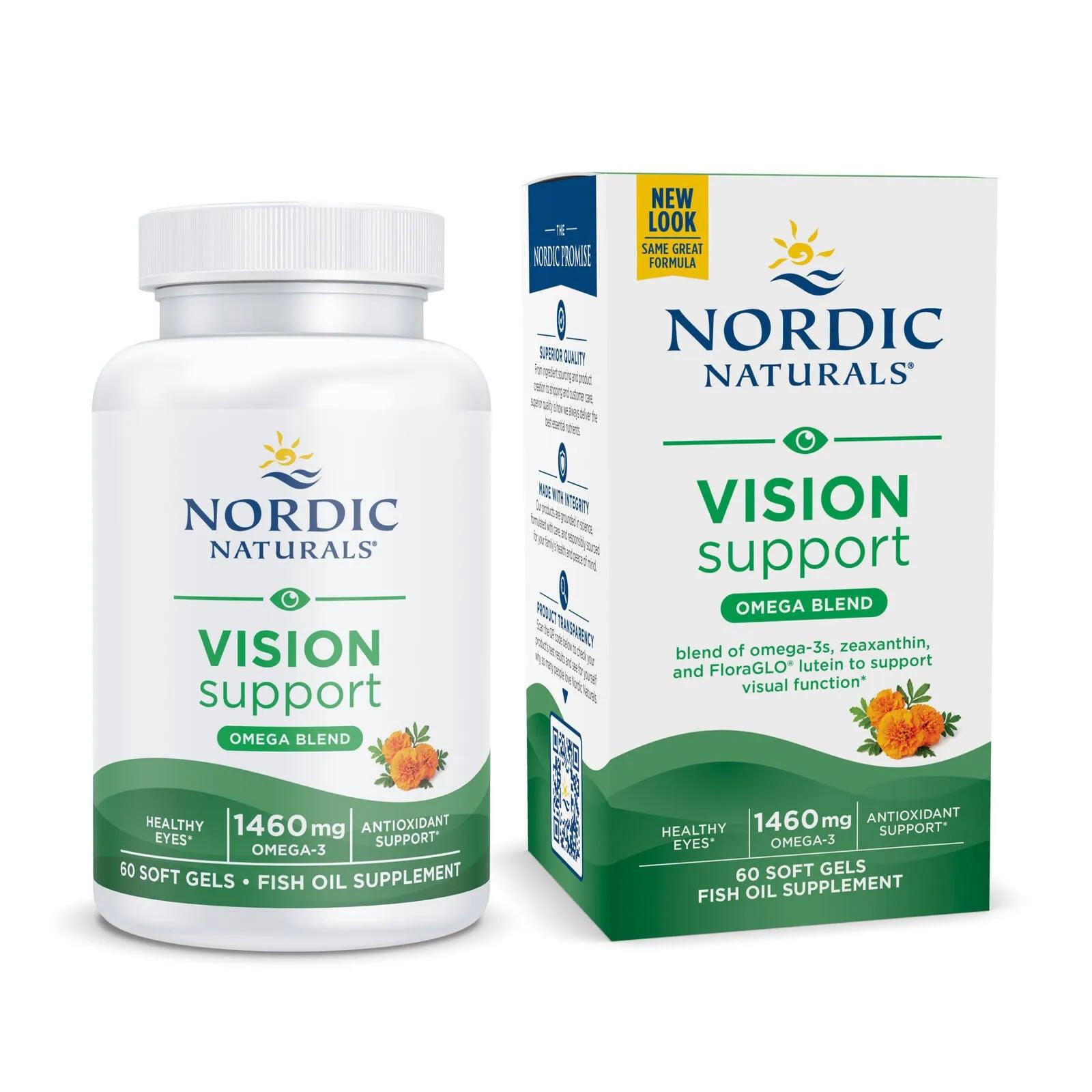
Protecting Your Eyes Through Every Stage of Life
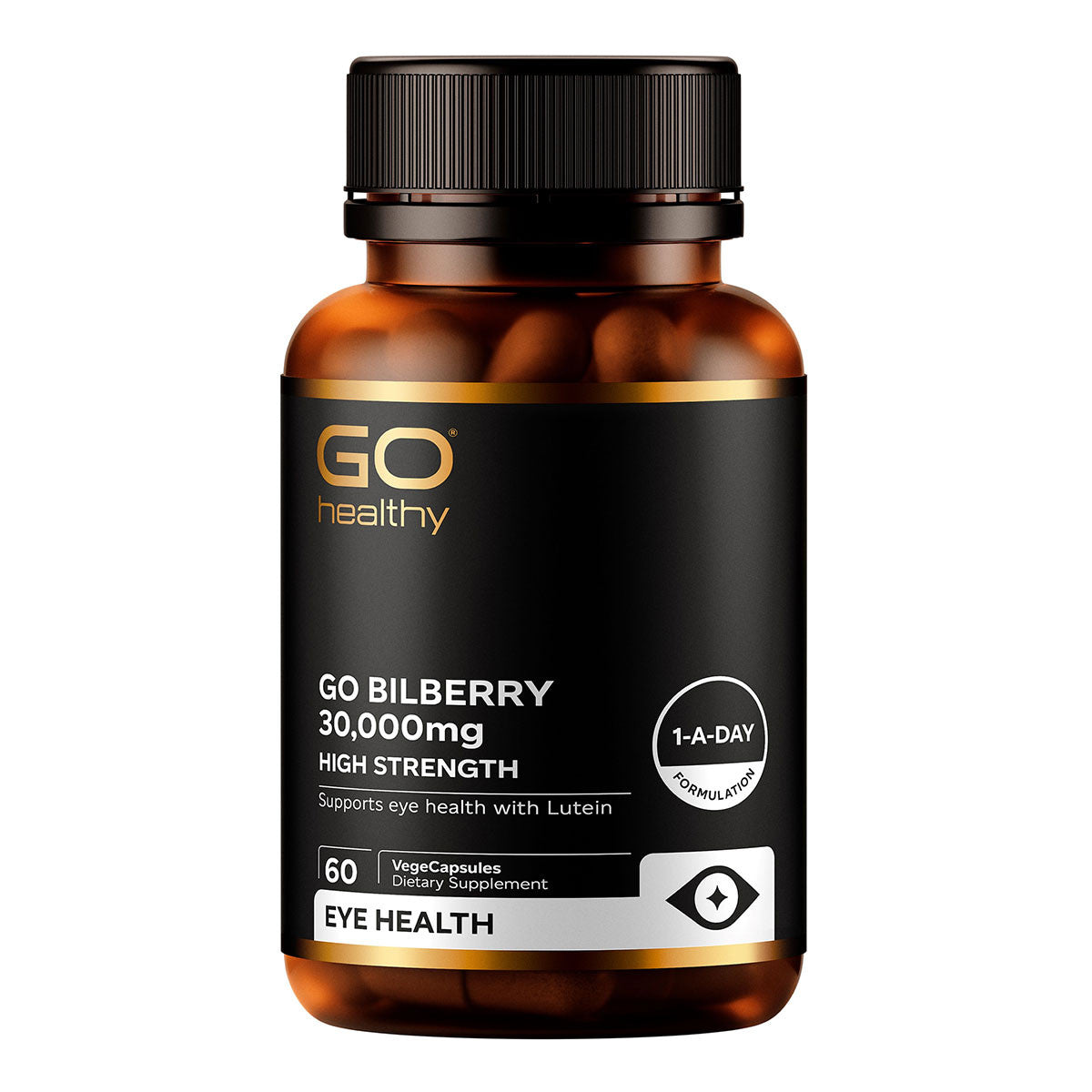
The macula is the central part of the retina responsible for sharp, detailed vision. It is particularly vulnerable to oxidative damage from blue light and UV radiation. Lutein and zeaxanthin are carotenoids that accumulate in the macula and act as a natural filter against harmful light. Research consistently shows that higher dietary intake of these nutrients is associated with a lower risk of age-related macular degeneration, one of the leading causes of vision loss in older adults.
Digital Eye Strain and Modern Screen Use
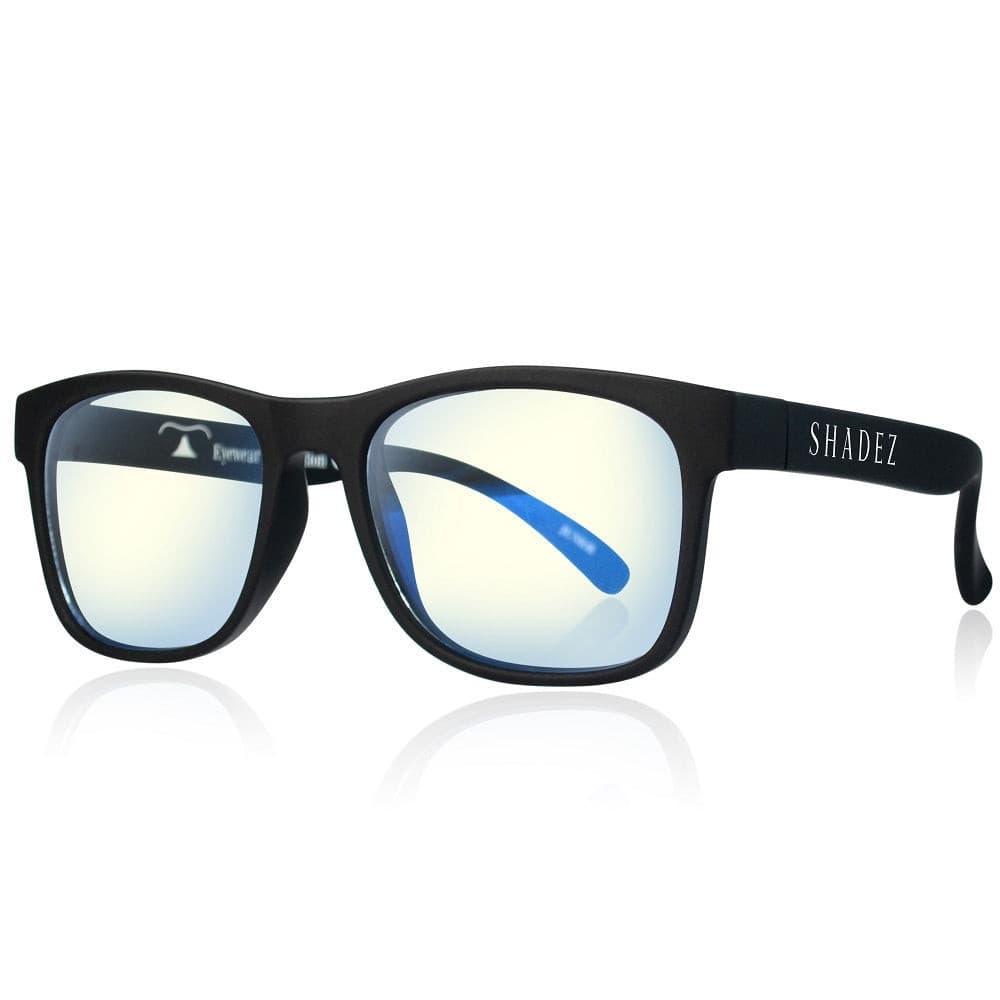
Extended screen time is now a daily reality for most New Zealanders. Staring at screens for long periods reduces blink rate, which leads to dry eyes, blurred vision and eye fatigue. Omega-3 fatty acids, particularly DHA and EPA, support the tear film that keeps the eye surface lubricated. Lutein and zeaxanthin also help filter the blue light emitted by screens, making them relevant for younger adults and office workers as well as older people concerned about macular health.
Common Questions
Can supplements improve my eyesight?Supplements cannot correct refractive errors such as short-sightedness or astigmatism. However, they can support the health of the eye tissues and may slow the progression of age-related conditions such as macular degeneration and cataracts. They are best thought of as long-term protective measures rather than treatments for existing vision problems.
How much lutein do I need?Most clinical studies on macular health have used doses of 10mg of lutein and 2mg of zeaxanthin per day. These amounts are difficult to achieve through diet alone unless you eat large quantities of dark leafy greens such as kale and spinach daily. A targeted supplement makes it easier to reach these levels consistently.
Is vitamin A important for eye health?Yes. Vitamin A is essential for the production of rhodopsin, a pigment in the retina that enables vision in low light. Deficiency leads to night blindness and, in severe cases, can cause permanent vision loss. Most people in New Zealand get adequate vitamin A through diet, but those with fat malabsorption conditions or very restricted diets may benefit from supplementation.










![[Clearance] Ini Berry Soap Baby Bear Gift box 26g*6, Soap Bars](http://ocare.co.nz/cdn/shop/products/3086_G.jpg?v=1773958093&width=500)