

Zinc
Zinc is an essential mineral involved in immune function, wound healing, skin health, hormone production and over 300 enzymatic reactions in the body. It is one of the most commonly deficient minerals in New Zealand, particularly among vegetarians, athletes and older adults. This collection covers zinc supplements in highly bioavailable forms including zinc picolinate, zinc bisglycinate and zinc citrate, available as standalone capsules and as part of broader immune and skin support formulas.
並べ替え:
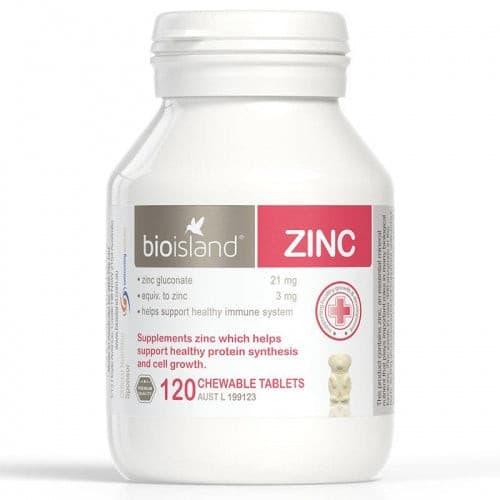
Why Zinc Matters and Who Needs More
Zinc is not stored in the body in significant amounts, which means regular dietary intake is essential. Red meat, shellfish and legumes are the richest food sources, but absorption from plant foods is lower due to phytates that bind zinc in the gut. Vegetarians and vegans are at higher risk of deficiency, as are people with digestive conditions that impair absorption, athletes who lose zinc through sweat, and older adults whose absorption efficiency declines with age.
Zinc for Skin and Immune Health
Zinc plays a central role in skin cell production and repair, making it a key nutrient for acne, wound healing and general skin integrity. It regulates sebum production and has anti-inflammatory properties that make it useful for inflammatory skin conditions. For immune health, zinc is required for the development and function of immune cells including T-cells and natural killer cells. Taking zinc at the onset of a cold has been shown in clinical trials to reduce the duration and severity of symptoms when taken within 24 hours.
Common Questions
What is the best form of zinc to take?Zinc picolinate and zinc bisglycinate are among the most bioavailable forms and are well tolerated on an empty stomach. Zinc citrate is also well absorbed. Zinc oxide, found in some cheaper supplements, has lower bioavailability. For skin and immune support, zinc picolinate or bisglycinate are the preferred choices.
How much zinc should I take per day?The recommended dietary intake for adults is 8mg per day for women and 14mg per day for men. Most zinc supplements provide 15 to 30mg per dose, which is within the safe range for short-term use. The upper safe limit is 40mg per day for adults. Long-term high-dose zinc supplementation can deplete copper, so if taking zinc for more than a few months, consider a formula that includes copper or alternate with a break.
Should I take zinc with food?Zinc can cause nausea when taken on an empty stomach, particularly at higher doses. Taking it with a small amount of food reduces this risk. Avoid taking zinc at the same time as iron supplements or calcium-rich foods, as these can compete for absorption. Phytate-rich foods such as wholegrains and legumes also reduce zinc absorption, so spacing zinc away from these foods improves uptake.









![[Clearance] Ini Berry Soap Baby Bear Gift box 26g*6, Soap Bars](http://ocare.co.nz/cdn/shop/products/3086_G.jpg?v=1773958093&width=500)