



Advent calendars sell out in New Zealand in the second week of November, and what is left by December is what nobody wanted. The best calendars are made in limited runs, everyone wants the same one at the same time, and the resale price reflects it.
There is a way around all of it. Build the calendar yourself out of blind boxes: same 24 mornings, contents the recipient actually wants, and you control what it costs. It also solves the problem that most shop-bought calendars are 24 items of filler wrapped in a printed sleeve.
This guide covers the whole thing, from the arithmetic to where the boxes go.
Step 1. Pick one theme and stay in it
A calendar works when everything inside belongs to the same world. One theme, no exceptions, otherwise the month turns into a lucky dip and the daily reveal loses its meaning. The theme should follow what the person already collects, not what is on sale.
For a Sonny Angel collector
Rotate series so no week repeats. Three series is enough to cover 24 days with variety, and the classes of figure are different enough that each week feels like a different calendar.

Sonny Angel Santa's Little Helper Series Blind Box
NZ$36.99
The day-24 reveal. Seasonal, larger presence in the box, and the one the collector will photograph first.

Sonny Angel Sweets Series Blind Box
NZ$28.99
Mid-month filler with a completely different silhouette to the Hippers. Rotate the two so consecutive days never look the same.
For a mixed household
Combine blind bags with squishies and desk toys so siblings can trade. Different shapes and weights make the daily reveal more interesting than opening the same category of object 24 times.

Funko Bitty Pop! Harry Potter: Goblet of Fire - Blind Bag
NZ$7.99
Cheap enough to fill a dozen ordinary days, and small enough that 24 of them still fit in one tray.

NeeDoh Nice Cube
NZ$14.99
A heavier item for a random Tuesday. Weight is a useful signal when everything is wrapped, because the recipient can feel that something different is inside.
For adults
Adults usually prefer fewer, better items. A twelve-day calendar with plush or homeware works better than 24 small objects nobody needs, and it costs roughly half as much.

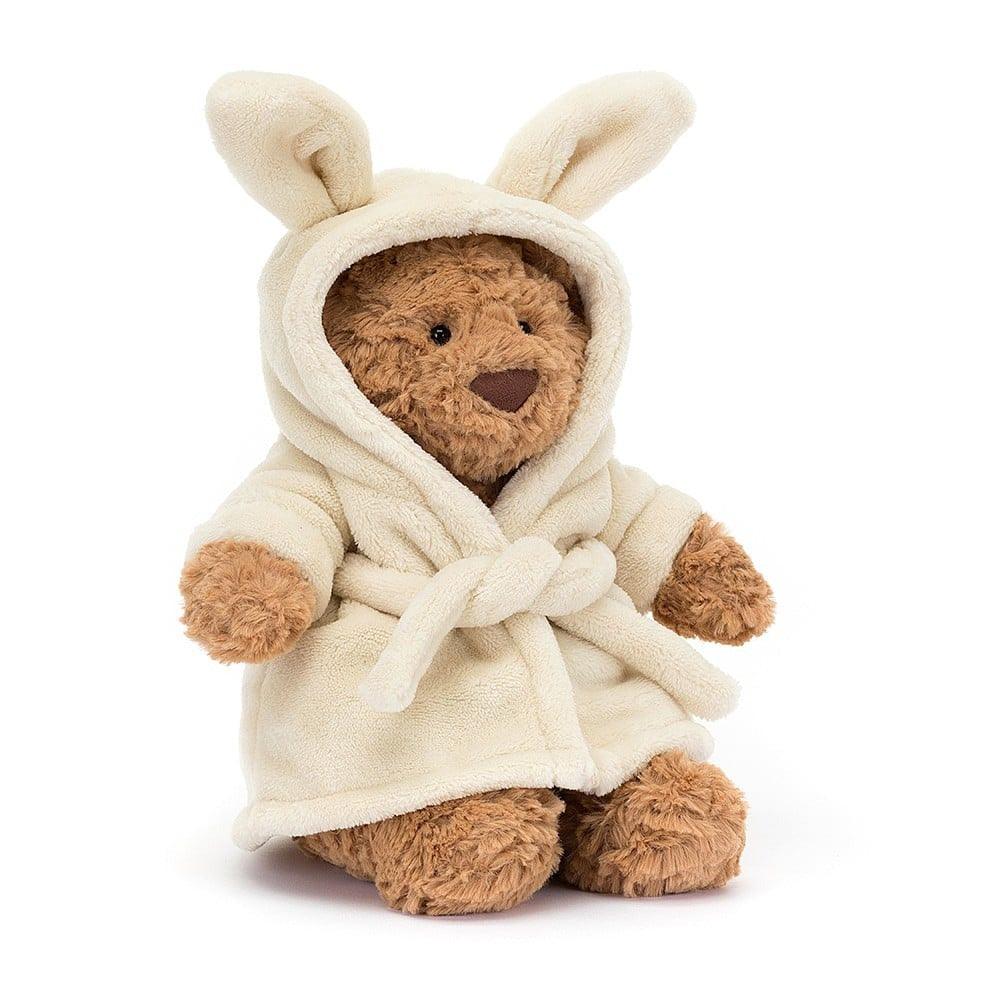
Jellycat Amuseables Brigitte Brioche
NZ$59.99
The sort of item an adult would not buy for themselves, which is the point of a calendar. Works as the single big reveal in a twelve-day build.
Step 2. Do the arithmetic before checkout
Twenty-four blind bags at NZ$8 to NZ$10 each is roughly NZ$200, which is more than most people want to spend. Three structures bring it down without the calendar feeling thin.
| Structure | What goes in | Rough cost |
|---|---|---|
| 24 days, big finish | One large item on day 24, blind bags through the month | NZ$150 to NZ$190 |
| 24 days, mixed | Roughly 16 objects and 8 paper doors (notes, chocolates, tasks) | NZ$110 to NZ$150 |
| 12 days, better items | Starts 13 December, half the doors, larger contents | NZ$80 to NZ$110 |
| Two children, one calendar | Alternating days, shared morning ritual | NZ$90 to NZ$130 |
Leaving eight doors for non-objects is the single biggest saving and it makes the calendar better, not worse. Nobody remembers the twelfth blind bag. They remember the day the door had a note in it.
Step 3. Buy the contents in early November
This is the step people get wrong. The specific series sell out first, and the replacements in December are never as good. Shopping happens in the first half of November; assembly happens in the last week.

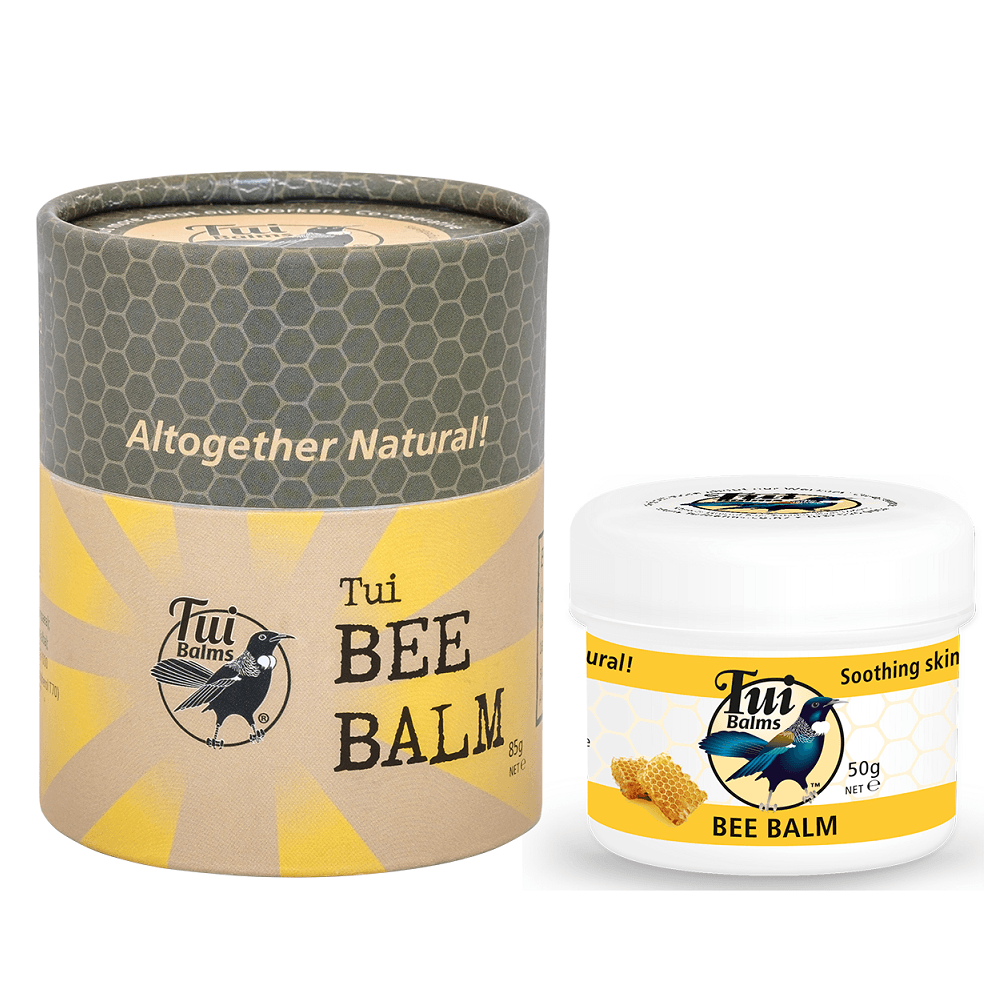
Funko Bitty Pop! Hello Kitty Blind Bags
NZ$8.99
The workhorse of a mixed calendar. Cheap, sealed, and small enough that a dozen of them fit in a shoebox.
Start with the items that are hardest to replace, then fill the rest around them. The blind box range covers the bulk of a month, and the Christmas collection covers the larger reveal items.
Step 4. Choose a structure you can actually build
| Method | Effort | Notes |
|---|---|---|
| 24 kraft boxes in a tray | About an hour | Cheapest. Looks better than it sounds if the boxes match and the numbers are neat. |
| Wrapped items on a shelf | Two hours | For collectors with a display shelf. Becomes part of the display for December. |
| Fabric pockets, hanging | A weekend | Reusable for years. Worth doing once as a family tradition. |
| Paper bags, pegged to string | 45 minutes | The version that fits a small apartment. Nothing to store afterwards. |
Decide where it goes before buying anything. Twenty-four boxes take more space than people expect, and a calendar that has to be moved every day stops being fun by the second week.
Step 5. Sequence the month
If the best item is behind door one, the rest of December is a decline. The structure that works is small for the first week, medium through the middle, and the biggest item on day 24.
Vary the shape as well. A box, a bag, a squishy and a flat paper packet all feel different in the hand before they are opened, and that small difference is what keeps a daily ritual interesting for three weeks.
Step 6. Keep it for next year
The containers are the reusable part. Kraft boxes, fabric pockets and numbered cards survive to January if they are stored flat, and rebuilding next year takes an evening. The contents change, the structure does not.

Miffy Glass Magnets - Set of 4
NZ$29.99
A flat, heavy item that changes the feel of a door. Good for adults and good for a door that would otherwise be another blind bag.
Four mistakes people make
The first is buying all 24 items from the same series. Halfway through the month the recipient has seen every design and the remaining doors lose their value. Two or three series, rotated, avoids it.
The second is building too late. Contents in early November, assembly at the end of the month. Shopping in December means buying whatever is left.
The third is over-spending on day one. The calendar is a slow build, not a front-loaded gift.
The fourth is forgetting where it goes. Size the contents to the container, not the other way around, and measure the shelf before you buy the boxes.
Children versus adults
Children want familiarity. A child who collects Sonny Angel wants more Sonny Angel, and the daily reveal works because the only unknown is which figure is inside. Mixing categories too widely turns the calendar into a lucky dip, which is a different thing and usually a disappointment.
Adults prefer fewer doors with better contents. Twelve days starting on 13 December, built around one brand or one category, is more likely to be used than 24 small objects that end up in a drawer by January.
Your timeline
| When | Do this |
|---|---|
| 1 to 10 November | Choose the theme, buy the contents, check stock as you go |
| 11 to 20 November | Buy containers and numbers, confirm where it lives |
| 21 to 30 November | Assemble, label, fill, hide it |
| 30 November | Ready before the first morning of December |
Checklist
- ☐ One theme, one collector
- ☐ 24 containers, or 12 for the short version
- ☐ Eight doors set aside for notes, chocolates or tasks
- ☐ Biggest item reserved for day 24
- ☐ Storage spot measured before assembly
- ☐ Contents bought before 15 November
Making the doors look like something
The contents matter more than the wrapping, but the wrapping is what makes the calendar feel like an object rather than a box of shopping. Three things do most of the work: consistent containers, numbers that are large enough to read from a metre away, and one colour.
Kraft boxes with a black marker are the cheapest version and they look intentional as long as the sizes match. If the budget allows, printed number stickers cost a few dollars and turn the same boxes into something that looks bought. What does not work is mixing container types, because the calendar immediately reads as improvised.
Where to put the numbers
On the front, centred, as large as the face allows. Numbers on the lid sound neat until the recipient has to lift every box to find the right day, which gets old by the fourth morning.
If you start late
Starting on 5 December still works. Build a 20-day calendar, keep the biggest item for the last day, and use the days you have. A shorter calendar that is ready on time is better than a 24-day calendar that is not, and nobody counts the doors once the month is running.
The one thing that cannot be compressed is the shopping. If it is already December, buy from what is in stock rather than ordering a specific series, and build the plan around the items you can get rather than the other way around.
For two adults
A calendar between partners works best when it is not 24 gifts. Twelve doors from 13 December, or 24 doors where half are notes and small treats, keeps the cost and the effort in proportion. The reveal is the ritual, not the value.
If the calendar is a surprise, build it somewhere the other person does not open cupboards. A wardrobe shelf works, a garage shelf does not, and a kitchen bench guarantees it is found by 14 December.
| Free NZ shipping over NZ$100 |
NZ Post 1 to 3 working days |
Gift wrapping available |
Afterpay and Click & Collect |
Advent calendar questions
Is a homemade calendar cheaper than a bought one?
Yes, if you mix objects with paper doors. A 24-day build with 16 objects and 8 notes comes in around NZ$110 to NZ$150, which is similar to a premium shop-bought calendar but with contents the recipient actually wants. The 12-day version is cheaper than both.
When do advent calendars sell out in New Zealand?
The good ones go in the second week of November. That is the reason this guide puts shopping in the first ten days of the month, well before anyone is thinking about December.
Can I use a calendar for a teenager?
Yes, and it works better than a chocolate calendar because the contents can follow what they already collect. Teenagers tend to prefer ten good doors to 24 small ones.
Do I need to wrap each item?
Only if the container is not already closed. The point of the box or pocket is that the item is hidden until the door is opened, so wrapping is optional and mostly slows the morning down.
Blind boxes are sealed products, so they can only be returned unopened under the 14-day change of mind policy. Check the series before the paper comes off.
Updated 29 October 2026 | All prices in NZD, checked on ocare.co.nz | Free NZ shipping on orders over NZ$100