


Most gift guides start with the child and work backwards to a price. That is the wrong order in December, when the budget is already set and the question is what is actually worth buying at that number.
This one goes the other way. Three brackets, what each one realistically buys in New Zealand, and which ages each bracket suits. The rule behind all of it: at every price, buy one thing that gets used rather than three that get opened.
Under NZ$20
This is the hardest bracket, because NZ$20 is where the supermarket toys live and where most of the waste happens. The way to win it is to buy something small that is part of a collection or gets physically used, not a bigger version of a cheap toy.

NeeDoh Nice Ice Baby
NZ$4.99
The cheapest thing that survives a year. Fits in a fist, needs no explaining, and works from about age three upwards.

Funko Bitty Pop! Harry Potter: Goblet of Fire - Blind Bag
NZ$7.99
Sealed, collectable, and small enough to be an add-on or a standalone gift. One bag is a present; three is a set.

Squishmallows Mini Eraser Set 25 Pieces
NZ$9.99
Twenty-five pieces for under NZ$10. It works for a five-year-old as a sorting game and for a twelve-year-old as desk stationery.
What NZ$20 does not buy: a plush worth keeping, a decent building set, or anything battery powered that will last past January. At this price, small and collectable beats large and generic.
NZ$20 to NZ$50
This is the sweet spot for children's gifts, and it is where a single well-chosen item beats a bundle. The bracket also covers the activity kits, which are the best value in the whole guide because they occupy a child for an evening rather than ten minutes.

Rolife Christmas Fireplace DIY Miniature House
NZ$22.99
An hour-long build for NZ$22.99, and it becomes part of the December decorations rather than going into a toy box.

Bear & Me Freddie Frog By Charlie Bears
NZ$32.99
A proper soft toy at NZ$32.99. The Bear & Me line is the affordable end of Charlie Bears, which means it is a collectable that a child can actually handle.

Miffy ECO Corduroy
NZ$46.99
The one that lasts. A well-made plush at NZ$46.99 that a child keeps on a bed for years, which is a different purchase from a novelty toy.
At NZ$50, the choice is between one good object and an activity. Both work. What does not work is spending NZ$50 on four NZ$12 items, because the child remembers the pile rather than any single thing in it.
NZ$50 to NZ$100
Above NZ$50 you are buying either a keepsake or an experience. This is where the money stops being about toys and starts being about something that survives the year, and it is also where the difference between a NZ$60 plush and a NZ$120 plush becomes visible.

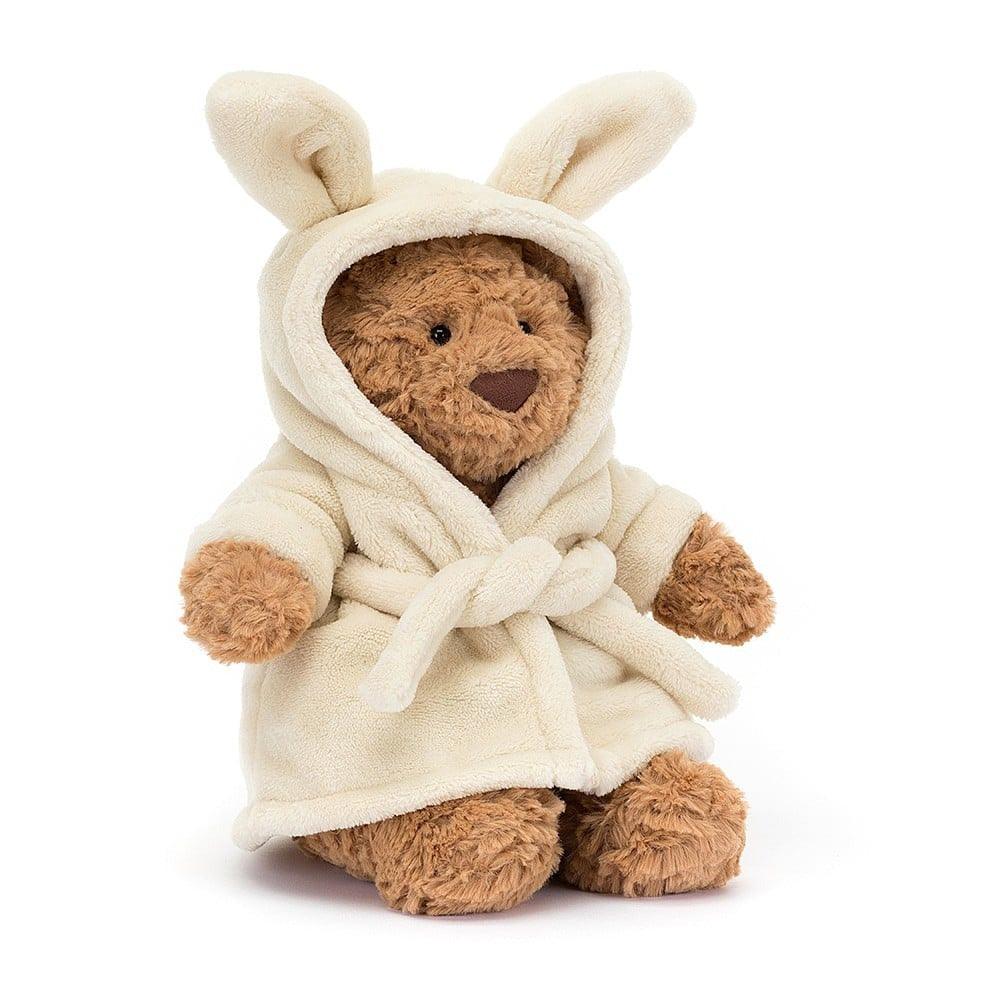
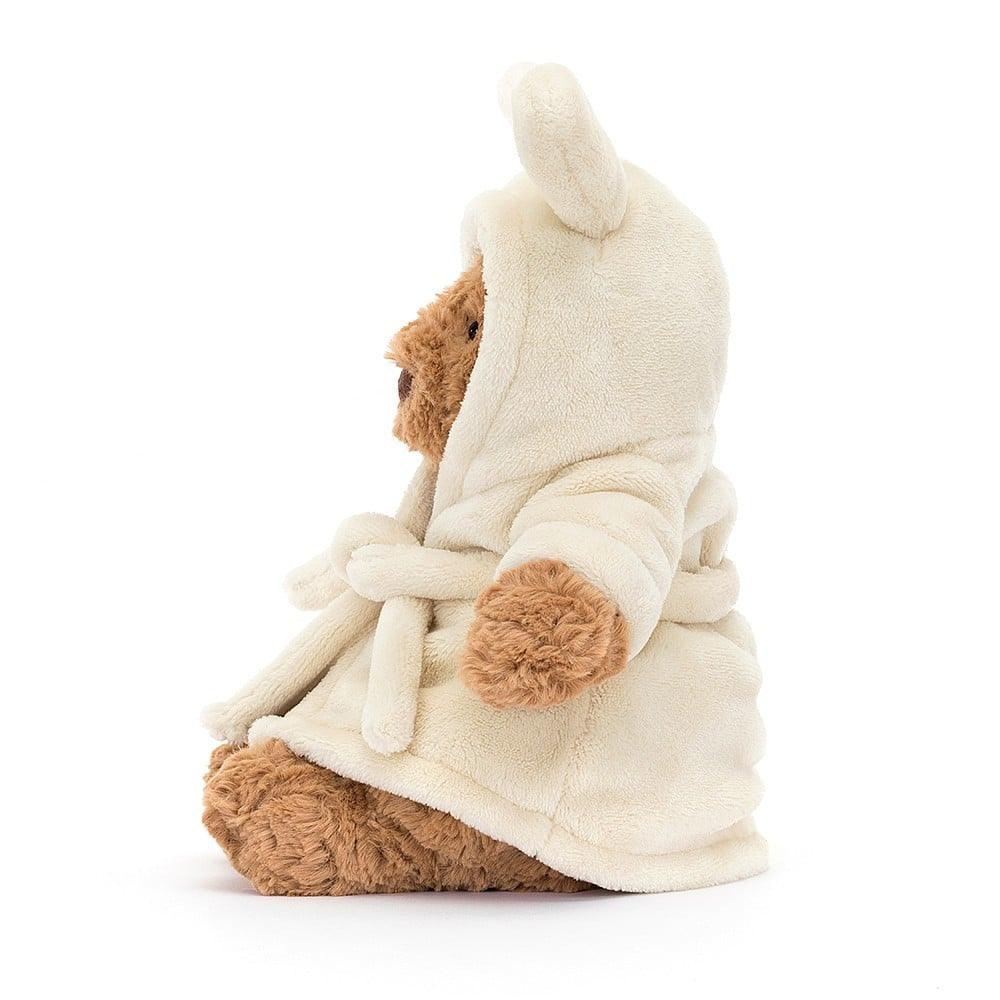
Jellycat Bartholomew Bear
NZ$66.99
A medium Jellycat at NZ$66.99. The size that actually gets carried around, rather than the tiny one that stays on a shelf.

Rolife Christmas Town DIY Music Box
NZ$46.99
A bigger build at NZ$46.99 that takes a weekend. Good for the child who finishes kits in an afternoon and wants the next one.

Steiff Key Ring Pendant Snoopy
NZ$56.99
A NZ$56.99 keepsake that works for an older child or a teenager. Steiff is the brand that gets handed down rather than thrown out.
The trap in this bracket is buying a large plush because it looks like more present. Size is not value. A NZ$100 plush that sits on a bed unused is a worse gift than a NZ$47 one that goes everywhere.
What the money actually buys
| Budget | Best age range | What to buy | What to avoid |
|---|---|---|---|
| Under NZ$20 | 3 to 12 | Collectables, stationery, small squishies | Large boxed toys, anything battery powered |
| NZ$20 to NZ$50 | 5 to 14 | One activity kit or one good plush | Bundles of small items |
| NZ$50 to NZ$100 | 7 to 16 | A keepsake plush, a big kit, a bag charm | Oversized plush bought for size alone |
By age
Three to five. Soft, single-piece, no small parts. A squishy and a plush cover it, and the budget does not need to go past NZ$40 because the child does not yet know what things cost.
Six to nine. The activity age. Kits, builds, collectables and anything with a reveal. This is the group where a NZ$25 kit genuinely beats a NZ$50 toy, because the doing is the gift.
Ten to thirteen. The collection age. They know which series they are collecting and will trade duplicates at school. Buy into the collection, and keep the receipt in case of a duplicate.
Fourteen and up. Money, vouchers, or one specific thing they named. Guessing gets expensive at this age, and the gifts that land are the ones that were asked for.
Where the money gets wasted
The first waste is bundles. Four items at NZ$12 look like more than one at NZ$48, and the child remembers none of them. The second is size: a large plush is not a better gift than a small one, it is a bigger object to store.
The third is licensed everything. A character on a lunchbox costs more than the lunchbox and lasts half as long. If the child loves the character, buy the collectable version rather than the plastic version with a logo on it.
The fourth is buying for the parent's taste. A beautiful wooden toy that the adult loves and the child ignores is a NZ$70 decoration, not a gift.
The same NZ$50 spent three ways
Three families, same budget, different outcomes. The first buys four NZ$12 items from a supermarket aisle: the child opens all four in three minutes and cannot name one of them a week later. The second buys one NZ$48 plush: the child carries it for a year. The third buys a NZ$23 activity kit and a NZ$9 blind bag: the child spends the evening building and still has the figure on a shelf in March.
The third is the best use of NZ$50, because it splits the money between doing and keeping. That structure works at every budget: one thing to do, one thing to keep.
Buying for siblings
If there are two or three children, the budget question changes. Spending NZ$50 each is NZ$150, which is usually more than intended, and spending NZ$25 each produces three gifts that feel thin.
The workable version is one shared activity plus a small item each: a kit the children build together, and a NZ$10 to NZ$15 item per child. The shared item carries the value, the individual items stop the comparison, and the total lands around NZ$70 for three children.
Where the money is best spent in New Zealand
New Zealand pricing on imported toys is higher than overseas, which makes the local argument for buying from a stockist rather than waiting three weeks for a parcel. Sealed collectables are also the category most affected by fakes, so buying from an authorised stockist is a quality issue rather than a loyalty one.
Shipping matters at this budget too. Free delivery over NZ$100 means a single NZ$50 gift carries a NZ$6.99 shipping charge, while combining two children's gifts clears the threshold. That is worth knowing before checkout rather than after.
If the gift is late
NZ Post delivers in one to three working days, with rural addresses taking up to two days longer. The first half of December is safe, the second half is not, and the week before Christmas is a gamble regardless of what the tracking page says.
One hundred dollars, two children
The NZ$100 budget is the most common one for a family gift, and the split matters more than the individual items. Two children at NZ$50 each is the obvious answer and usually the right one, but it leaves nothing for the shared part of Christmas morning.
A better split is NZ$70 shared and NZ$15 each: one activity the children do together, and a small individual item so neither feels left out. That structure produces a longer morning than two separate NZ$50 gifts, because the shared activity creates the thing children actually remember, which is the doing.
What to do when the child is too young to ask
Under three, the gift is really for the parent, and the practical choice is something that reduces work: a bath toy that does not hold water, a book that survives being chewed, a plush that can go in the washing machine. Anything with small parts, batteries or a fabric that cannot be washed will be retired within a fortnight.
| Free NZ shipping over NZ$100 |
NZ Post 1 to 3 working days |
Gift wrapping available |
Afterpay and Click & Collect |
Budget questions
Is NZ$50 enough for a child's present?
Yes. For a friend's birthday, NZ$20 to NZ$30 is normal. For a family gift or a close friend, NZ$50 is generous. Only parents and grandparents routinely go above NZ$100.
What is the safest gift at any budget?
A sealed blind box. It cannot be the wrong size, the wrong colour or already owned, and the opening is part of the gift. At NZ$8.99 it works as a small gift, and at NZ$36.99 it works as a main one.
Should I buy one big present or several small ones?
One, unless the small ones are a set. Children remember the thing they asked for, not the number of parcels. Several small items only work when they belong together, like a collection or a kit with parts.
Is it better to buy one NZ$100 gift or three NZ$30 gifts?
One, for a single child. Three gifts at NZ$30 produce a pile rather than a memory, and children remember the thing they asked for. The exception is a kit with parts, where several pieces make one activity.
Updated 29 October 2026 | All prices in NZD, checked on ocare.co.nz | Free NZ shipping on orders over NZ$100